


How can we do a good job in quality control for the detachable multi-booklet perfect binding process?
In the publishing fields like educational supplements, children's books, and reference books, it's common to release the main textbook together with exercise books, answer booklets, or recitation books. Among these, the two-book combo (two-in-one, main textbook + exercise book) is the most common, while the three-book combo (three-in-one) can meet most publishing needs. Traditional book sets often use shrink wrap, belly bands, or dust jackets for packaging, which can easily come apart once unwrapped. The detachable multi-book glue-binding technique effectively addresses this issue. This process first glue-binds each book individually, then applies a special peelable adhesive on each spine, and wraps an overall cover, making it look like a single book. When reading, the books can be separated without damage. The key to this process is that after individual glue-binding, there is "no spine milling, no grooving, only base adhesive bonding, and overall trimming."
There are clear technical differences between the two-in-one and three-in-one detachable glue-binding processes in terms of book thickness, cover formation, and separation force control, and production management focuses vary. Based on this, this article systematically explores the technical points and quality control solutions of these two mainstream detachable binding methods, providing support for optimizing set publication binding processes.
Two-in-One Detachable Glue-Binding Process
01/ Product Structure and Size Calculation
The two-in-one product combines two already glue-bound books either back-to-back or side-by-side (usually side-by-side) and wraps them with a single cover. The cover for each book is the same as for the three-in-one option, requiring allowances for trimming at the top, bottom, and front flap. The unfolded width of the cover = the sum of the two spine thicknesses + 2 × finished width (flap); height = finished height + trimmed allowance at top and bottom (usually 3mm each). Since the two books may have different thicknesses, the crease lines on the outside cover should be placed outside the thinner book's spine edge to ensure that the cover lays flat across both spines. When there's a large thickness difference between the two books, the cover at the thinner spine may have a gap. This can be filled with padding when applying the base adhesive or naturally shaped by the stiffness of the cover paper.
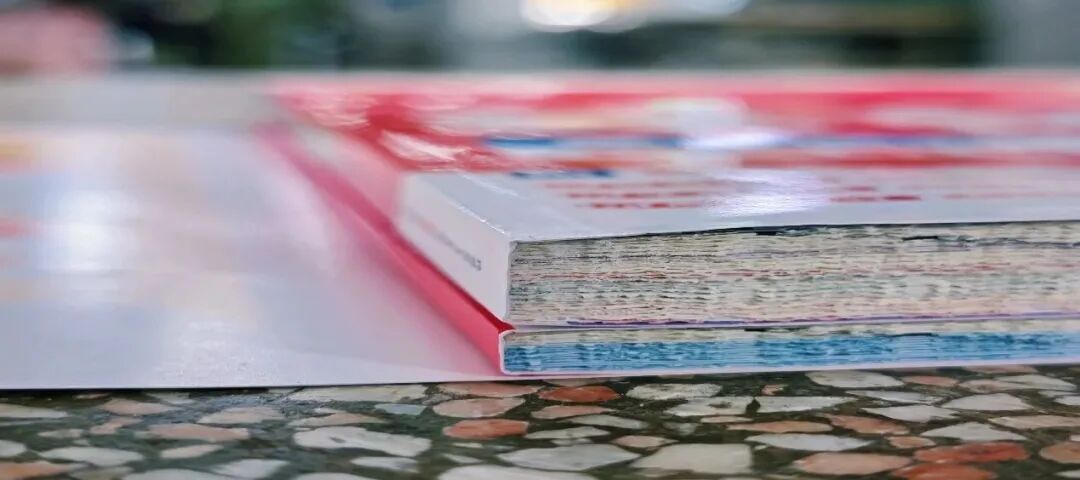 Two-in-One without Cover Wrap
02/ Single-Book Perfect Binding and Combination Base Adhesive
Each of the two book blocks is finished separately with standard perfect binding, including milling the spine, roughening, applying spine and side glue, and attaching the inner cover. After cooling, you get the 'rough' book. When applying combination glue, place the two rough books with their spines facing up (or down) and aligned, with the sides clamped. The special base adhesive is applied only to the spine area formed by the two books together, covering the joint and forming a flat surface. Since the two-in-one has only one joint, a slightly thicker layer of base glue (about 1.0–1.5mm) can be used to ensure that the books stick together and that the glue either cohesively breaks or peels cleanly when separated. The base glue temperature is controlled at 140–160°C to prevent softening of the original spine glue on the single books.
03/ Outer Cover Wrapping and Shaping
A feeder mechanism ensures precise positioning of the outer cover, aligning it with the outermost spine lines. Using the wrapping clamp, even pressure is applied to complete the cover attachment. Since there are only a few books, the overall thickness is small, making it easy to form a square spine. After wrapping and fully cooling, the books go through a three-side trimming process. Because the two books are connected by a single glue joint, the pressing force during trimming must be carefully balanced and stable to avoid misalignment. After trimming, the final product looks like a single book, and the separation force should be controlled between 10–25N.
The two-in-one separable binding process is relatively simple. It's the basic form of combination binding, highly adaptable to equipment, and suitable for large-scale textbook sets.
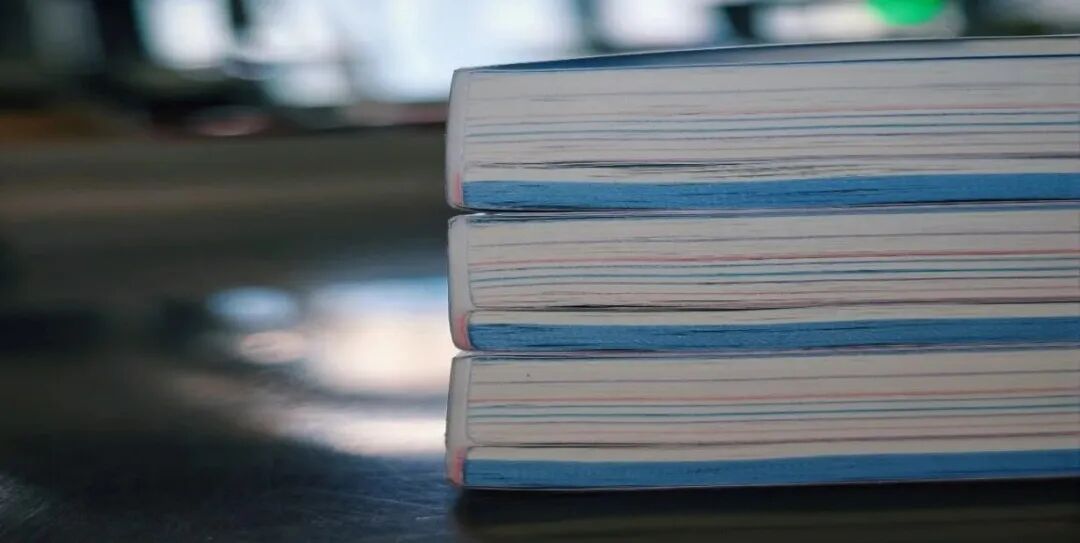 Two-in-One Finished Book
Three-in-One Detachable Perfect Binding Process
01/ Arrangement and Combination of the Three Volumes
The three-in-one product consists of three pre-bound rough books placed side by side, with their spines aligned. Each book may have a different thickness, so the combined spine will have two levels of steps. To keep the appearance square and neat, the thickest volume is usually placed in the middle, with thinner volumes on both sides to make the steps symmetrical. All individual spines must be on the same plane and the open sides of the books should face the same direction.
02/ Cover Size and Crease Design
The unfolded width of the cover = the sum of the thicknesses of the three spines + 2× finished width (flap); the height matches that of a single rough book. Crease lines should correspond to the outer edges of the outer two spines. For the inner spine steps between volumes, not every level needs a crease-paper flexibility and glue filling are enough to shape them. However, misaligned creases can cause the spine to slant. For three-volume combinations over 30mm thick, the cover should be made of high fold-resistance paper with moderate stiffness to prevent spine cracks.
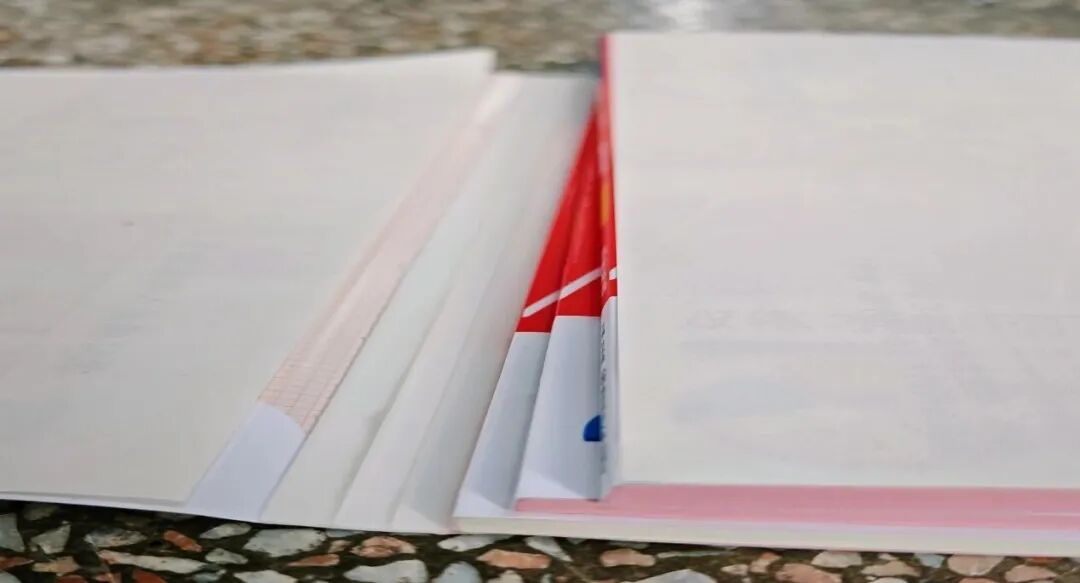 After Peeling the Three-in-One Finished Book
03/ Special Requirements for Base Adhesive Coating
For the base adhesive of the three-book combination, besides bonding the spines of each book, it also needs to fill the gaps between the books and smooth out any step differences to ensure the outer cover sticks evenly. Therefore, it's best to use a peelable hot melt pressure-sensitive adhesive with slightly better flow and a longer open time, which helps it penetrate gaps and form a smooth glue surface. The coating method can be either double-roller or gap coating, and the amount of adhesive should be adjusted according to the size of the gaps between the books. Temperature still needs to be controlled to avoid heating the adhesive on individual book spines. When pressing after combining, use flexible press plates or segmented rollers to ensure uniform contact between the adhesive layer and each book spine, leaving no gaps at steps.
04/ Covering and Press Forming
Since there are three books, the total thickness is greater than a two-in-one, so the opening and closing stroke and pressure settings of the cover clamping board need to be adjusted accordingly. Trapezoidal or segmented pressing blocks can be designed for the three-book combination so the outer cover adheres step by step. After pressing, the spine should cool slowly, and the cooling channel should be extended appropriately to prevent peeling caused by cutting before the adhesive layer has fully set.
05/ Three-Sided Cutting Challenges
When cutting the three-book combination, the books are connected by the base adhesive but are not a rigid whole. Cutting impact can easily cause misalignment between the books, resulting in stepped cuts. It's necessary to reinforce alignment and pressing, and, if needed, apply additional clamping to the book spines before cutting. Keep the blades sharp, especially when cutting the spine, to cleanly cut through the base adhesive and outer cover without tearing. After cutting, inspect the peeling performance thoroughly, starting from the first book and peeling in order; none of the books should be damaged.
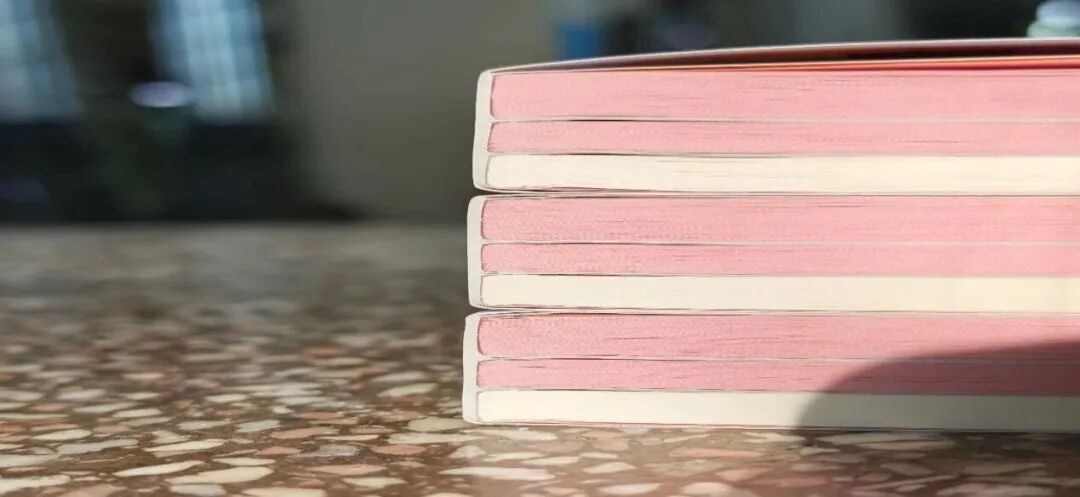 Unified Finished Book
Special Base Glue Performance Adjustment and Separation Force Control
Whether it's a two-in-one or three-in-one detachable glue binding process, the separable base glue is a key material. Its peel strength should be enough to withstand transportation vibrations without separating on its own, but still easy to tear by hand. The peel strength of the base glue is affected by the formula, coating thickness, cooling conditions, and other factors. For two-in-one bindings, the bonding area is small, so the unit bonding strength or glue layer thickness can be slightly increased; for three-in-one bindings, which have three volumes, each seam is still a single line, so the total bonding force is roughly the single seam force times two. Since actual separation is done volume by volume, the separation force for each seam must still be controlled within a moderate range (10–25N). In production, the glue amount can be fine-tuned, and peel tests should be conducted regularly. Additionally, the base glue must not chemically react with or overly penetrate the spine glue of individual volumes to avoid tearing when separating single volumes.
Quality Control and Common Issues
(1) Pages falling out after separating volumes: The root cause is substandard quality in the single-volume perfect binding. It's essential to ensure the proper milling depth, spine glue thickness, and penetration for each volume.
(2) Wrinkling or air bubbles on the outer cover spine: Mainly caused by uneven base glue application or misalignment during pressing. Improve positioning accuracy and glue application uniformity.
(3) Base glue cracking or separation between volumes after cutting: Often due to dull cutting blades or overly brittle glue layers. Replace blades and use more flexible base glue.
(4) Self-separation: Usually caused by base glue being too thin or sticky enough. Increase the glue amount or slightly raise the glue temperature to extend open time.
(5) Separation force too high: The base glue viscosity is likely too high. Lower the glue temperature or use a low-peel-strength formula.
The separable combination binding process, which follows the workflow of 'single-volume binding–spine glue adhesion–overall wrap–final cutting,' achieves both complete binding and easy separation in two-in-one and three-in-one products. The two-in-one serves as the basic configuration, with a simple process and high adaptability; the three-in-one is an extension that mainly needs to address thickness differences affecting forming and cutting. With iterative upgrades in peelable base glue materials and flexible adaptations in binding equipment, thinner single volumes and higher-quality combination bindings will become possible, providing more competitive complete solutions for educational publishing.