


A new breakthrough in LED exposure mechanism: is it a gimmick or a real innovation?
Let's take another look at some new breakthroughs in LED exposure machines in the plate-making field.
PART.01
XPS Spark - The Rise of LED Surface Exposure Equipment
In 2025, an important change in the plate-making field is that the new generation of LED surface exposure systems, represented by XPS Spark, has entered the mainstream view, marking the industry's reassessment of the 'high-energy scanning exposure' route.
Scanning exposure has significant advantages in dot stability and micro-hole screening, but problems such as high energy consumption, complex structure, and high cost have always existed. As flat-top plate materials gradually mature, the necessity of using ultra-high-energy scanning exposure to 'forcibly create flat-top dots' is declining.
LED surface exposure systems, with simpler structure, lower energy consumption, and higher efficiency, provide a more cost-effective solution for many users whose requirements for extreme quality are not the highest.
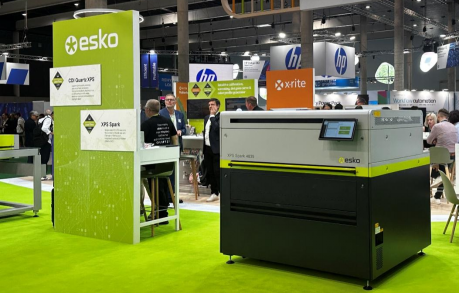 Figure 12 XPS Spark 4835 Flexographic Exposure Device
The XPS Spark 4835 is a flexible version of the LED exposure device released by ESKO in 2025, featuring a single-sided exposure design and optional de-sticking and post-processing units for traditional lamps. The biggest difference from XPS equipment is that it abandons high-energy scanning exposure, and the plate-making process returns to the traditional path of "back exposure-laser engraving-main exposure".
ESKO's XPS series devices are mainly selling points for "simultaneous front and back exposure", which has the following advantages: (1) can generate a more stable minimum dot; (2) The transformation of dome dots to flat tops is realized through ultra-high UVA energy; (3) It performs better in surface netting. For this reason, ESKO has also applied for a patent for "simultaneous exposure of LED front and back".
XPS series equipment is widely regarded as a relatively mature LED exposure solution due to its excellent plate making effect and high repeatability. However, its shortcomings are also obvious, such as the exposure speed is slower than that of traditional surface light sources; The high cost of equipment limits adoption; The optimization of plate making parameters is complex, which is a huge workload for ESKO and material suppliers.
At present, XPS series equipment can still be called widely used and stable performance LED exposure equipment, because the comprehensive performance of many domestic LED exposure machines and XPS equipment in China is very different, the vast majority of domestic manufacturing enterprises, still stay in the simple blind copy stage, these manufacturers as catch-ups, lack of comprehensive understanding of LED exposure and plate making, make it difficult for domestic scanning equipment to win the favor of high-end customers.
The launch of the XPS Spark 4835 device marks a major change in ESKO's thinking about LED equipment, and also means that LED exposure technology has begun to enter another stage of technology and product development, that is, the LED surface exposure period. Surface exposure equipment does not require ultra-high energy, and today the flat top dot printing plate has gradually become popular, and the technical route of using high energy exposure to make flat top dot printing plate is no longer necessary to continue to adhere to. In addition, the benefits of surface exposure equipment include:
1. The surface exposure equipment can greatly shorten the main exposure time and improve the efficiency of plate making.
2. The comprehensive cost and energy consumption of plate making are reduced, the installation and maintenance are simpler, the surface exposure equipment reduces the energy output of LED, the air cooling system is adopted, and the large water cooling equipment is no longer needed, the scanning mechanism on the machine is canceled, and the manufacturing cost of the equipment is also significantly reduced.
3. From the perspective of the plate-making process, it has returned to the traditional plate-making process, that is, the process of back exposure and then laser engraving. According to ESKO, the XPS Spark4835 is fully open to the plate parameters, allowing users to better control the plate parameters, and of course, ESKO does not need to do a lot of testing to optimize different plates.
Unfortunately, we didn't see the long-awaited LED UVC and UCA exposure units on the XPS Spark 4835, which may be the main reason behind the cost considerations.
The release of Quartz reflects ESKO's technological advancements in the field of high-end flexographic plates, while the release of XPS Spark marks a new stage of development in LED exposure. It is foreseeable that in the future, ESKO will continue to position XPS in the high-end market with technologies such as Quartz and Crystal, while XPS Spark will serve a wide range of customers who have relatively low requirements for plate quality and are more concerned about equipment cost.
PART.02
EVO 3 EDLF LED – a combination of LED exposure machine and quick drying
Founded in 2012 and headquartered in Carros, France, Vianord Engineering is a R&D and manufacturer of equipment focusing on the field of flexographic plate making, and its business direction is to provide highly automated, modular, and full-process compatible flexographic plate making systems. Vernod claims its strength lies in in-house control from design, engineering, simulation, manufacturing, assembly, commissioning to final delivery, providing customized systems and high-quality control. In the industry, Vernord is regarded as one of the providers of fully automatic and highly automated flexographic plate equipment, especially in the direction of solvent-free, washable, energy-saving, and green plate making.
At present, Virnold has supplied a large number of equipment to many major international suppliers. It is reported that it is also developing more compatible thermal plate making equipment, and has delivered prototypes to plate manufacturers for internal testing.
In 2025, Vernod officially launched the long-rumored LED exposure machine and rapid dryer Dryer+ all-in-one machine. The outstanding highlights of the equipment are: it can significantly shorten the drying time and reduce energy consumption, that is, the drying time of the thick version is shortened by about 50%, and the drying time of the thin version is shortened by about 30%, and the energy consumption is reduced simultaneously.
Since the technology is still in the patent application stage, Vernod has not disclosed more details about the product at this time. The company claims that two are currently installed and operating in Italy. If the technology is validated in actual measurements, it will have a significant impact on the industry: the efficiency advantages of thermal and washing processes will be further compressed, and the competitive landscape of flexographic plate making may change.
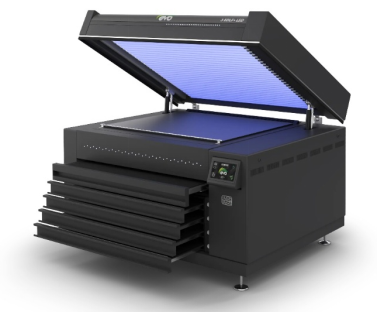 Figure 13 EVO 3 EDLF LED launched by Vernor
PART.03
Flex-Pose LED 520 - Continuously Advancing Scanning LED Exposure Machine
Glunz & Jensen was established in 1973, headquartered in Denmark, and is one of the important manufacturers in the prepress equipment field. The company initially focused on the development of offset plate-making equipment, and in recent years has gradually expanded its business into flexographic plate-making and digital printing-related equipment, emphasizing automation, digitalization, and energy efficiency control.
In the flexographic plate field, Glunz & Jensen has focused on the R&D of LED exposure, drying, and photopolymerization systems. Its latest Flex-Pose LED 520 exposure machine uses a solid-state light source to replace traditional fluorescent tubes. According to its promotion, it has the following features: (1) Stable exposure energy, with LED light source spectrum concentrated and evenly distributed, greatly reducing the traditional issues of tube light decay and energy drift; (2) Low thermal radiation, effectively reducing temperature rise and improving process stability; (3) Longer lifespan, with LED light sources having significantly extended service life compared to fluorescent lamps; (4) Significant energy savings, estimated to save up to five figures in euros in a 3-year operating cycle.
Glunz & Jensen's LED exposure machines are fully open systems, allowing users to customize their own platemaking parameters, although the machine also comes with built-in parameters for 34 types of plates. In terms of appearance, the machine is highly complete, with professional looks and detail handling, but its long-term stability and actual performance still require market verification.
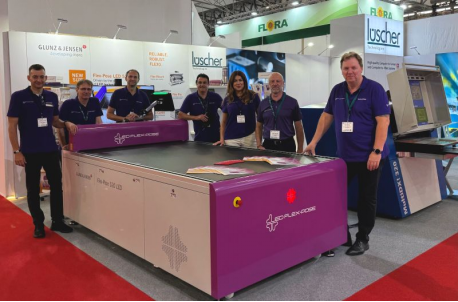
Figure 14 Flex-Pose LED 520 Exposure Machine Launched by Gu Longyan (Image Source: LinkedIn)
That concludes the sharing on the technical development of LED exposure machines. If you have different opinions or suggestions, industry colleagues are welcome to discuss them in the comments section. In the next article, we will take a look at how the current three major mainstream flexible plate-making routes are developing 'side by side.' Stay tuned!