


13 Common Types of Paper for Printing Text and Images Every Printer Should Know!
There is a wide variety of paper commonly used in printing, which can meet the printing needs of different customers. To make images show better printing results, choosing the right paper is an essential step. Here, I've put together 13 common types of paper.
Coated Paper
Coated paper, also known as printing coated paper, is the most commonly used paper in color printing. When making it, a layer of white chemical material is applied to the base paper, and then it's polished to form coated paper. So, coated paper is divided into single-sided coated and double-sided coated, abbreviated as 'single-coated' and 'double-coated'. According to the finish, it can also be glossy or matte, which in the industry is commonly referred to as 'gloss coated' and 'matte coated'.
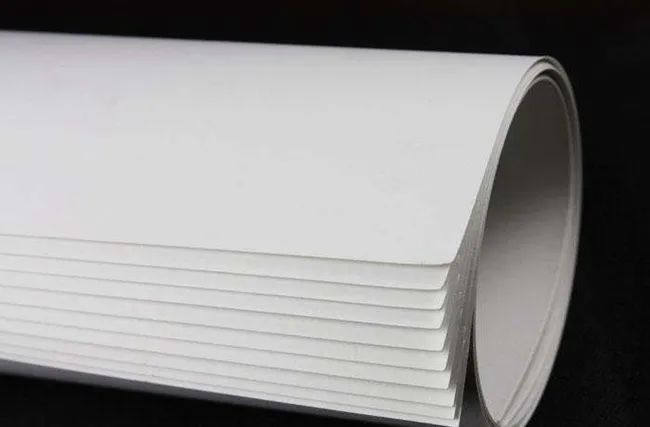
Specifications: Under national standards, coated paper comes in 70, 80, 90, 100, 120, 130, and 150 g/m². However, currently in the market, coated paper used for high-end color prints is mostly imported, and the weights of these paper types are generally 125, 157, 200, 250, 300 g/m².
Features: The paper has a smooth surface and high whiteness, with consistent thickness and low stretch. But when exposed to moisture, the powdery texture can stick or fall off, so it can't be stored for long periods.
Applications: It's used for high-end photo albums, wall calendars, book covers, postcards, exquisite product samples, and color logos.
Matte Coated Paper
Matte coated paper, also called non-gloss coated paper, is a type of coated paper. Under daylight, it doesn't reflect much light. Patterns printed on matte coated paper aren't as vibrant as on glossy coated paper, but they appear more delicate and high-end, and the colored areas still have a similar gloss as regular coated paper.
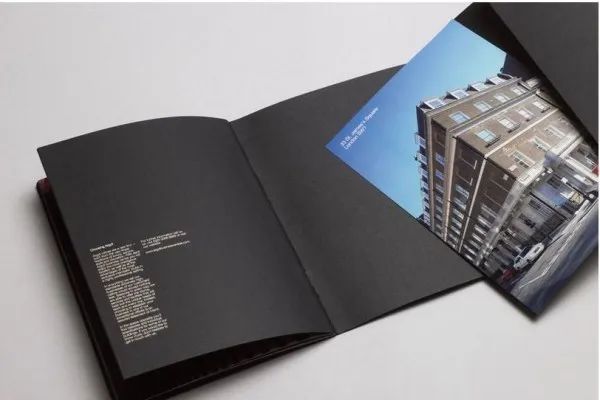
Features: Matte coated paper is very white and has good color reproduction; the surface is smooth, providing high dot clarity; the paper is strong, fold-resistant, and relatively more expensive.
Applications: Craft brochures, building brochures, floor plans, real estate brochures, document folders, etc.
Offset Paper
Offset paper, formerly known as 'Dahlin paper,' is made by coating the surface of raw paper, and comes in single-sided and double-sided varieties. It can absorb ink evenly and has a fairly smooth surface, but the surface smoothness, density, and printing quality are slightly lower than coated paper.
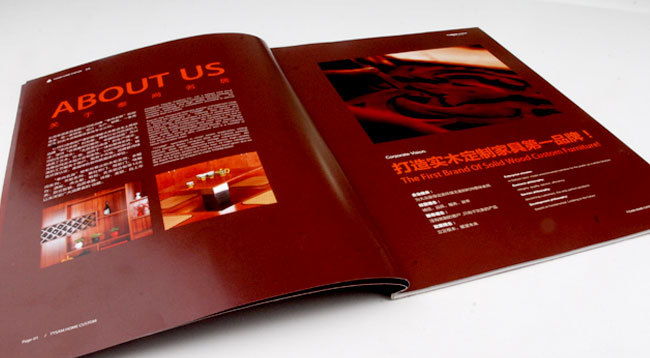
Specifications: The grammage of coated paper is divided into 50, 60, 70, 80, 90, 100, 120, 150, 180 (g/m²), etc.
Features: Coated paper has low shrinkage, good whiteness and smoothness, a dense opaque texture, strong water resistance, high strength, and good printability.
Applications: Mainly used for high-quality color printing, such as color magazines, albums, promotional materials, color labels, cigarette boxes, maps, greeting cards, as well as some premium books and illustrations.
Art Paper
Unlike regular printing paper such as coated paper, offset paper, newsprint, or packaging paper, art paper (also called fancy paper or specialty paper) usually requires special paper processing equipment and techniques. The finished paper has rich colors and unique textures.
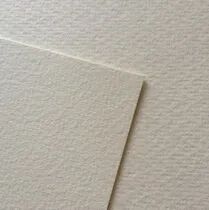
Features: Art paper can change the brightness and saturation of its color based on customer needs and product characteristics. It's also very durable, can handle more types of craftsmanship compared to regular paper, and is more expensive.
Applications: It can be used for premium book covers, high-end brochures, art greeting cards, premium office paper, high-end decorative photo outputs, and personalized photography art exhibitions. Collector-grade art paper also meets the high requirements for reproducing prints, screen prints, pen drawings, watercolors, and customized oil painting reproductions. It's the first choice for museums and other high-demand exhibition venues for reproducing collector-grade artworks.
White Card Paper
White card paper is made entirely from chemically bleached pulp, fully sized, and consists of either a single layer or multiple combined layers. It's overall stiff and thick, with a relatively high grammage. It's also called whiteboard paper and comes in two types: gray back and white back.
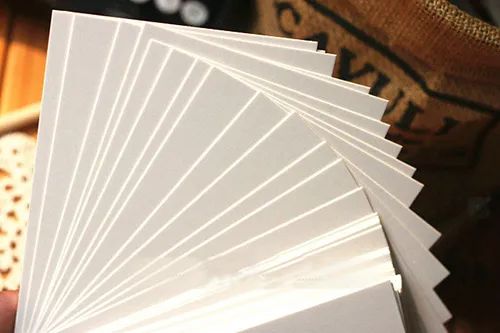
Features: The white card paper looks neat, with high whiteness, stiffness, burst strength, and smoothness. The surface is even and sturdy, making it hard to tear when folded.
Uses: Commonly used for printing business cards, certificates, invitations, menus, premium packaging, hardcover books, promotional cards, and hang tags.
Kraft Paper
Kraft paper usually has a yellow-brown color, is tough and extremely strong, and gets its name for resembling cowhide. Semi-bleached or fully bleached kraft pulp comes in light brown, cream, or white.
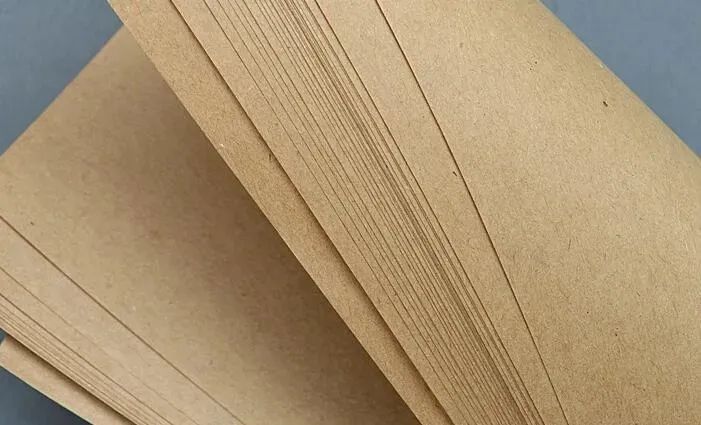
Features: Kraft paper has very high tensile strength, good tear resistance, folding endurance, and dynamic strength. At the same time, it is tough and water-resistant, and it has a wide range of uses.
Applications: It can be used for cement bag paper, envelope paper, adhesive sealing paper packaging, asphalt paper, cable protective paper, insulation paper, etc.
Pearlescent Paper
Pearlescent paper has the same composition as ordinary whiteboard paper, consisting of a base layer of fibers, fillers, and a surface coating. Unlike regular whiteboard paper, its surface coating contains particles that create a pearlescent effect. As a result, the surface is very smooth, thicker, and has a pearly sheen when it reflects light.
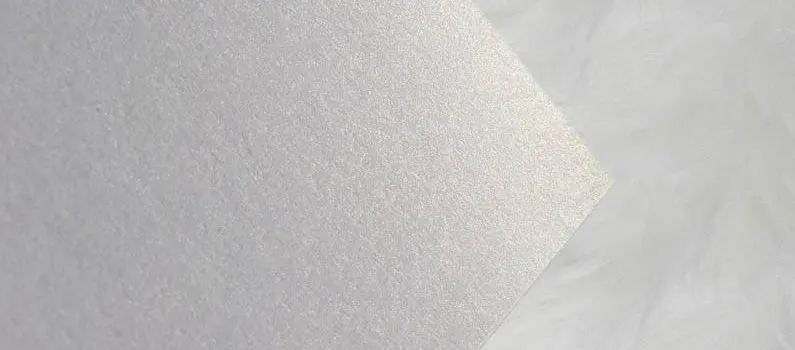
Features: Pearlized paper has low surface energy and poor ink absorption, making it hard to dry. During printing, the back side can easily get smudged or dirty. Additionally, the pearlescent effect on the surface can be damaged, often causing white spots, mottling, or creases. Pearlized paper is relatively expensive, but it's environmentally friendly and can be recycled for reuse.
Applications: Used for printing high-end albums, books, exquisite packaging, gift boxes, greeting cards, and tags.
Wood Pulp Texture Paper
The surface of wood pulp texture paper has uneven textures, named after its resemblance to tree grain because the texture is arranged in one direction. Wood pulp texture paper is made of 100% pure wood pulp, with natural pulp colors. It comes in white, beige, light brown, coffee, bright red, blue, and wine red.
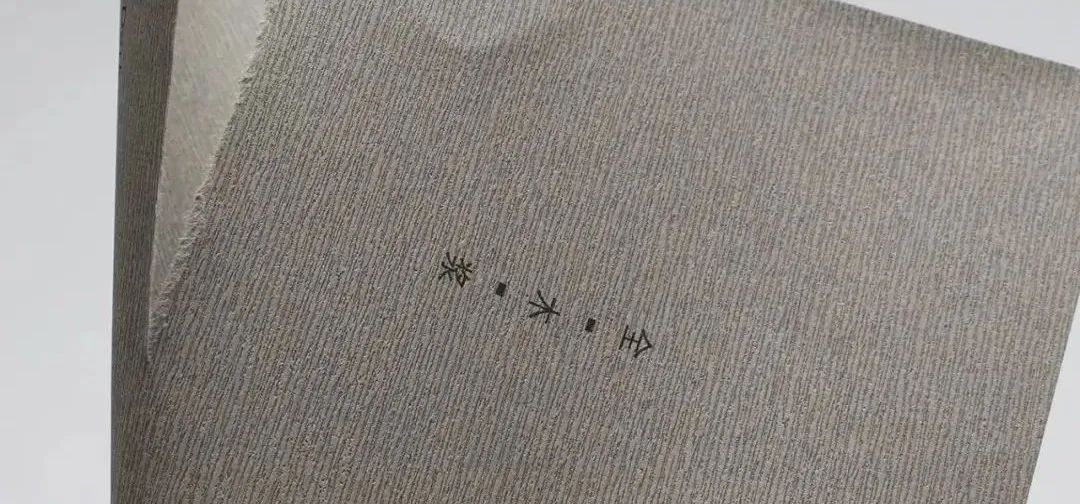
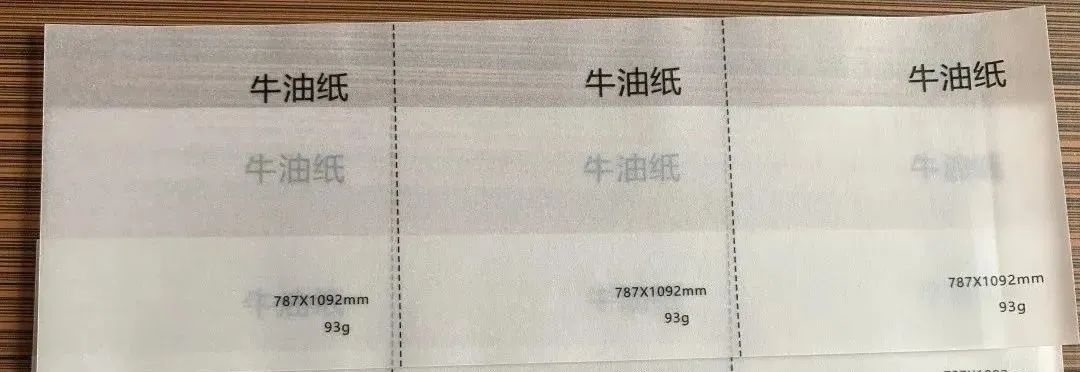
Features: Solid and dense texture, slightly translucent paper, strong resistance to grease and water penetration, non-breathable, with functions like waterproof, moisture-proof, oil-proof, antibacterial, and disinfectant.
Applications: Widely used for hand drawing, pen/inkjet CAD plotting, engineering electrostatic copying, laser printing, fine art printing, archival recording, and more.
Angka Paper
Angka paper has the characteristics of white card paper, but its surface texture is dotted, adding a finer tactile feel, so the paper has a better texture. When used in prints, it looks overall elegant and fresh, casual yet distinguished.
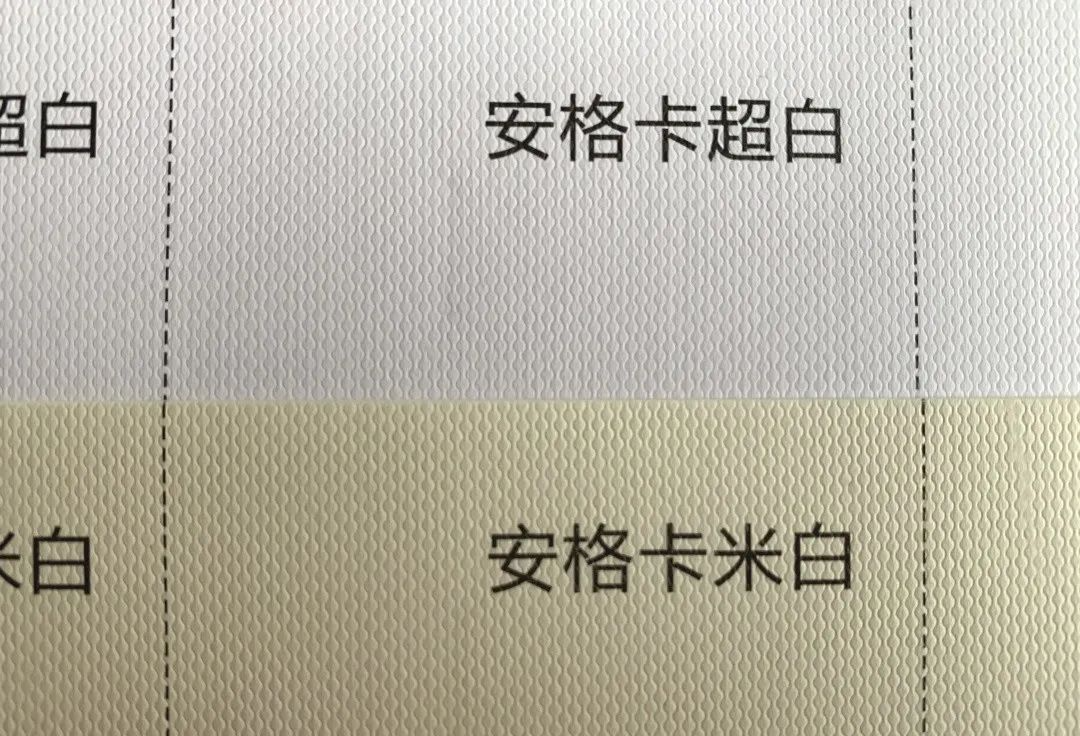
Features: Angka paper has a relatively fast ink absorption and drying speed, with bright colors, making it very suitable for business printing.
Applications: Suitable for high-end brochures, covers, greeting cards, hang tags, menus, book front pages, desk calendars, wall calendars, envelopes, books, promotional posters, business cards, envelopes, and other mid-to-high-end printed products.
Linen Paper
Linen paper is made from non-woven fibers, which gives it good wear resistance. Its surface has irregular, fine cross embossing, giving printed materials a balanced background texture effect. Linen paper absorbs ink well, producing finished products with rich colors and texture, making it one of the more tactile types of paper.
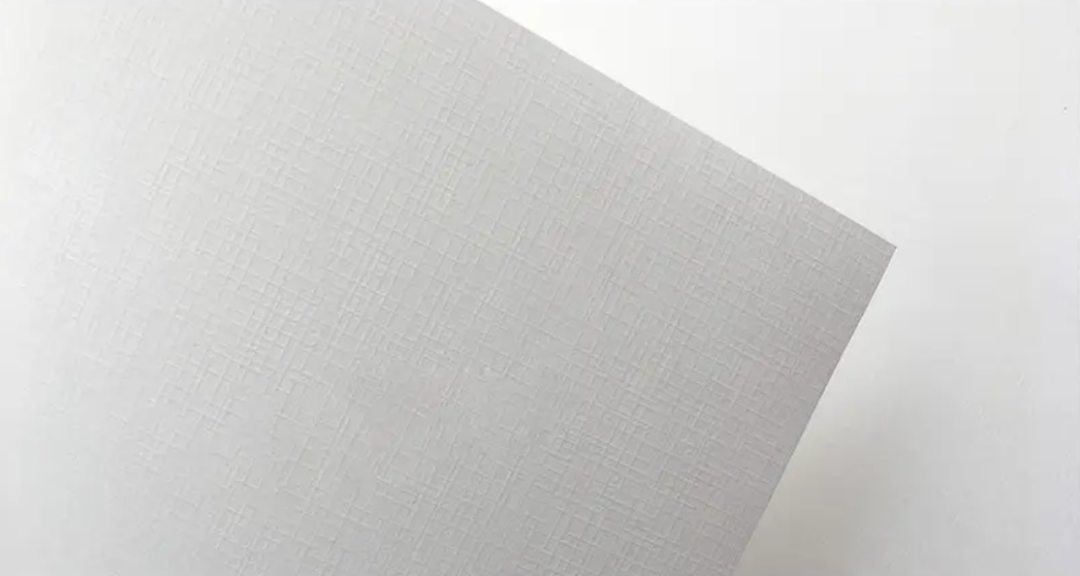
Features: Linen textured paper is wear-resistant, flexible, and foldable. It has bright colors that are not easy to change after printing. Its unique texture gives the paper a strong sense of depth and a great feel, though it is more expensive compared to other types of paper.
Applications: It is mainly used for business cards, greeting cards, postcards, photo albums, models, etc., and is suitable for occasions where you want to show personality.
Hemp cloth textured paper
Hemp cloth textured paper is a type of hemp paper with a long history. It is made from pure wood pulp paper, with long and strong fibers that are not easy to fade. It is widely used in business card production, mainly relying on the texture to highlight the quality of the printed product, with excellent embossed effects.
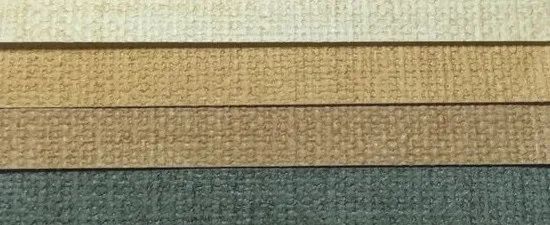
Features: Linen-textured paper is sturdy and flexible, with clear, strong texture and a pronounced three-dimensional feel. It has a strong hand feel, natural texture, and after printing, colors are full and vibrant, resistant to folding and wear.
Applications: It is widely used for hardcover books, high-end gift boxes, envelopes, red packets, labels, tags, cards, and more.
Leather-textured Paper
Leather-textured paper has an uneven surface with deep and thick textures. To avoid blurred printing, machine pressure should be appropriately increased during printing. On the market, there are pure wood pulp and mixed pulp leather-textured papers. Pure wood pulp papers have more accurate colors, firm texture, and clear patterns; mixed pulp papers are duller, uneven in color, softer, and rougher in texture.
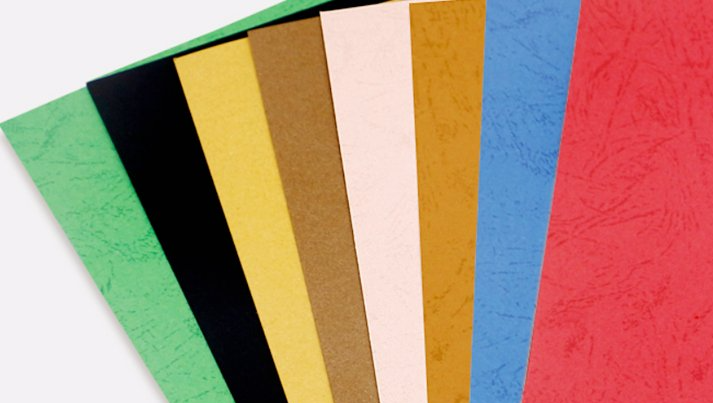
Features: Bright colors, attractive textures, made with wood pulp paper, overall thick and delicate, with a wide range of uses.
Applications: Leather texture paper is relatively inexpensive and is widely used in packaging design, promotional brochures, product sample books, shopping bags, posters, advertising calendars, and product outer packaging boxes.