


Sabert, the packaging giant with 13 factories, changes hands-so why is it seen as a money-printing machine by investors?
At a time when the global food and beverage supply chain is rapidly moving toward 'agile delivery, de-plasticization, and full-temperature-range preservation,' top Wall Street private equity firms focused on the food sector are aggressively snapping up packaging manufacturing platforms.
Los Angeles-based private equity giant Butterfly Equity, which specializes in investments across the entire food and beverage industry chain, has officially signed a definitive agreement to fully acquire global restaurant and food packaging multinational Sabert Holdings.
Supporting the deal at its core, international banking giants UBS Investment Bank, Goldman Sachs, and KKR Capital Markets have all made full binding financing commitments. The entire transaction is expected to close in the fourth quarter of 2026.
After strongly acquiring the global digital printing flexible packaging unicorn ePac earlier this year, this PE newcomer, managing about $12 billion in assets, has completed a leap from 'lightweight agile digital packaging' to 'heavy-duty multinational full-material packaging hub' in less than a year, clearly revealing its strategic ambition to build a vertical closed-loop in the food industry.
Spanning four continents and covering three materials: Sabert's 40-year-built industrial moat
Unlike many packaging plants that rely on a single plastic film or paperboard forming, Sabert, founded in 1983 and headquartered in Sayreville, New Jersey, is one of the very few technology-driven giants in the global packaging industry that has truly integrated R&D and large-scale production of three key materials: 'engineering plastics, plant fiber paperboard, and wet-molded fiber.'
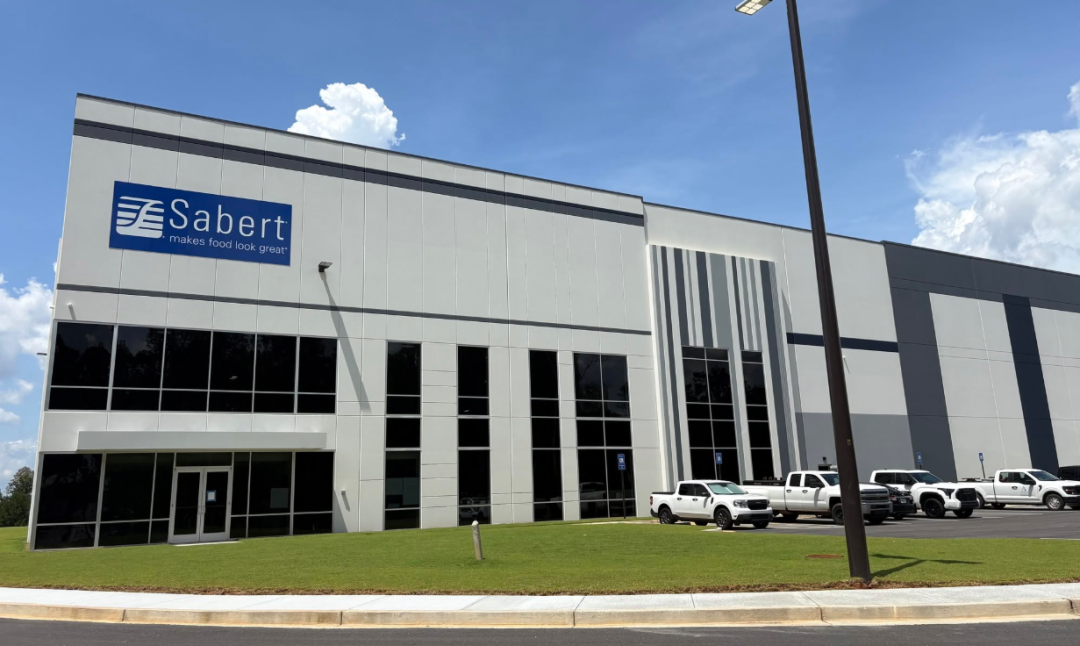
Over more than forty years of expansion, founder Albert Salama has forged the company into a heavyweight manufacturing platform with nearly 3,000 employees and an extensive layout:
Global 13 Manufacturing Hubs: The company has heavily invested in 9 advanced factories across 8 U.S. states-California, Illinois, Indiana, Kentucky, New Jersey, Texas, Georgia, and Virginia-and established large manufacturing bases in the UK, Belgium, Poland, and China, a key manufacturing hub in the Asia-Pacific region.
Sabert (Zhongshan) Co., Ltd. in China was established in March 2005, located in Pingpu Industrial Zone, Sanxiang Town, Zhongshan, Guangdong Province, and officially started production on October 1, 2006. Its activities cover injection molding for disposable PP, PS, AS, and PLA plastic tableware; thermoforming for disposable PET and PP plastic food service items; production of sugarcane pulp and bamboo pulp tableware; paper packaging products like disposable hot coffee cup sleeves and portable coffee boxes; paper knives, forks, and spoons; and processing and packaging of salt and pepper packs, among others.
Full penetration of end customers: Products are deeply integrated into core foodservice distributors in the U.S. and Europe (such as Sysco, US Foods), multinational grocery chains, fast-food operators, and industrial protein processing lines.
Over 400 patents and in-house mold development: Relying on its unique "Packaging Value Model," Sabert not only operates its own high-precision mold processing center and formulation lab but also leverages over 400 industrial patents to master food protection, from quick freezing and microwave reheating to long-term barrier and shelf display aesthetics.
According to the transaction agreement, founder Albert Salama did not choose to "cash out and leave" but instead rolled a significant portion of his investment back into the company, retaining key minority shareholder positions.
This deeply aligned interests mechanism has allowed Salama to work side by side with Butterfly Capital partners and Sabert's current CEO Paul McKen's management team, ensuring absolute operational continuity for this manufacturing giant even amid global supply chain disruptions.
From disruptor ePac to cornerstone Sabert: Butterfly Capital's strategy of "fast and slow integration"
To understand Butterfly Capital's big-money acquisition of Sabert, it needs to be considered alongside its earlier acquisition of ePac's flexible packaging at the beginning of the year.
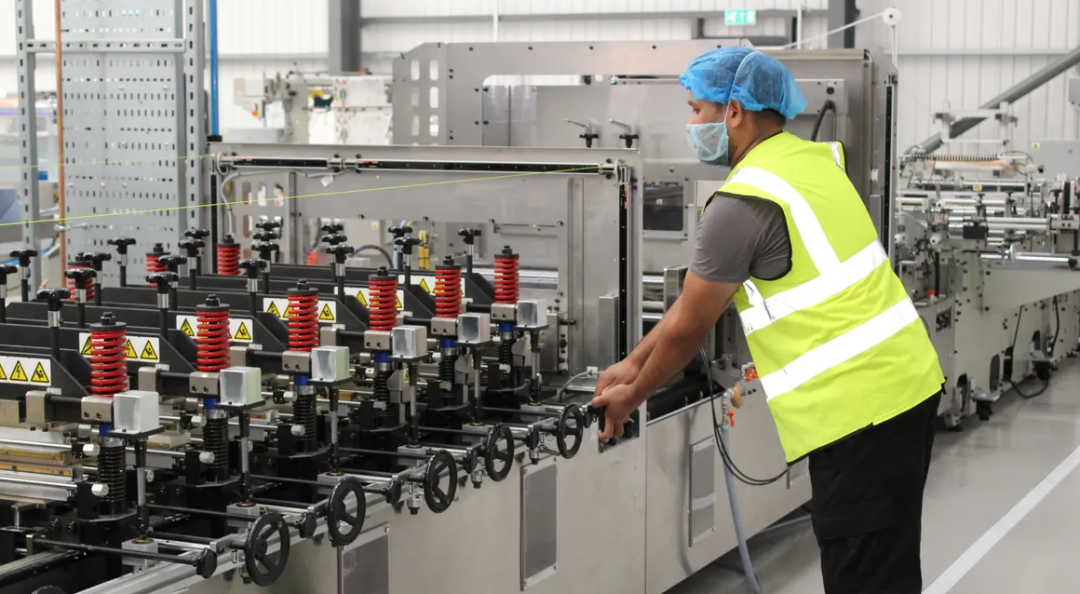
Founded in 2016, ePac is a hallmark disruptor in the global industrial digital flexible packaging field. Leveraging a distributed factory network built entirely on HP Indigo industrial digital printers (operating 14 tightly coordinated production sites in North America), ePac locked in tens of thousands of emerging consumer packaged goods (CPG) and new challenger brands with its unprecedented "15-day extreme delivery cycle" and "no minimum order quantity."
Research by Bain highlighted this underground trend: Although these emerging challenger brands account for less than 2% of their segment, they contributed nearly 39% of the industry's net growth.
When major retailers like Costco or Whole Foods demand small-scale trial launches, traditional gravure or flexographic processes, which take two to three months for mold and ink setup, simply can't keep up. ePac's distributed local quick-print model has become the core enabler for new brands to break through.
However, while the long-tail effect of emerging brands is certainly eye-catching, it can't replace the trillion-level food market's steady demand for regular, bulk, and rigid packaging.
By bringing Sabert under its wing, Butterfly pulled off a clever 'fast-and-slow fusion':
Fast spear in hand (ePac): Precisely handling rapid prototyping, short-run iterations, and dynamic marketing packaging for startup health foods, pet nutrition, and functional supplements, earning high-value agile tech premiums;
Heavy shield up front (Sabert): With 13 heavy-asset factories, producing hundreds of millions of pallets, hot and cold drink lids, molded fiber food containers, and barrier-sealed boxes annually, reliably securing cash flow from bulk catering, chain giants, and pre-made meal industries.
Breaking out of traditional manufacturing friction, using the entire food industry ecosystem to execute a dimensionality-reducing strike
The fatal flaw of traditional packaging processors often lies in 'reactive order-taking'-they can only struggle in the squeeze of raw material fluctuations and price-bidding after customers request redesigns. Butterfly Equity's packaging strategy is entirely a 'dimensionality-reducing strike' based on the downstream food ecosystem.
Looking at Butterfly's investment portfolio, its capital reach spans food ingredients (Custom Flavors), high-end wine (The Duckhorn Portfolio), baking supply chains (Rise Baking Company), functional nutrition and health products (Orgain, MaryRuth Organics), fresh proteins (Pete and Gerry's eggs, Bolthouse carrots), and large Mexican-style fast-food chains (QDOBA).
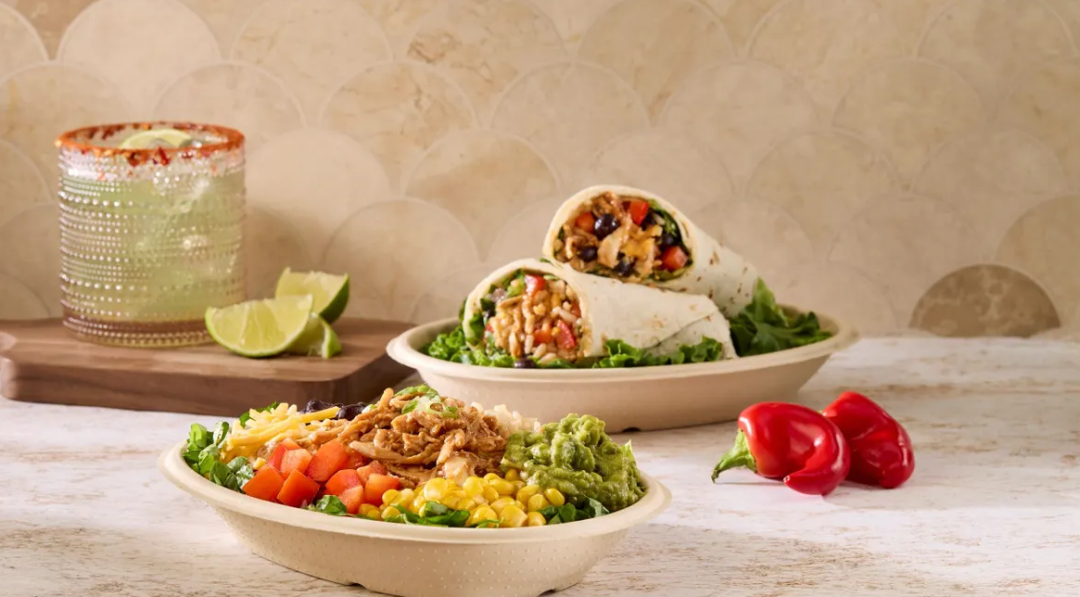
This means that Butterfly itself is the most direct and largest super customer base and business brain for Sabert and ePac:
- Internal business flow: The packaging procurement from dozens of high-growth food factories, beverage companies, and restaurant outlets in its investment portfolio can be seamlessly shifted into Sabert and ePac's production schedules, instantly generating internal synergistic orders.
- Forward-looking R&D: Because Butterfly's executive team is researching every day how end consumers 'receive food from convenience store clerks or delivery riders, and in what manner,' Sabert's design team can anticipate changes in real needs like microwave resistance, compostable coatings, and PFAS-free greaseproofing several quarters ahead of pure hardware manufacturers, designing irreplaceable differentiated molds from the source.
- Supply chain tariff hedging: Facing increasingly strict geopolitical trade frictions and cross-border tariff barriers in North America, ePac's 14 highly localized printing plants, combined with Sabert's mature physical hubs across the U.S., Europe, and Asia, create a nearshore resilient network capable of cushioning any local logistical disruption.
From being a single-brand packaging factory to becoming the central nervous system embedded in a trillion-dollar food PE empire, this capital reshuffle Sabert experiences at the age of forty reflects the fundamental transformation happening in the packaging manufacturing industry:
The era of simply competing on machine capacity and price-to-volume is a dead end. Only packaging giants that deeply integrate their physical manufacturing capabilities into the end-to-end food lifecycle and merge with agile digital technologies can become the most reliable value carriers on the game board of major capital players.