


Global packaging giants are betting on the 'next generation of packaging.' Amcor Asia President She Xin says: We need to make AI 'understand it' and make robots 'able to open it.'
"Last year, China's retail sales of goods reached 44.32 trillion yuan¹. We estimate that around 10 trillion yuan of that comes from fast-moving consumer goods, with packaging being the best-selling 'single item.'" Today, at the China Retail Innovation Conference's closed-door CEO meeting, She Xin, President of Amcor Group Asia, gave a speech, where he first proposed the idea that 'packaging strength is an important part of product strength.'
'Consumers spend an average of only 7 seconds deciding what to buy offline, and 15 seconds online. Packaging is crucial in this process, as it determines whether a product can be picked at a glance.' According to She Xin, the value of packaging goes far beyond 'just wrapping the product'; it helps make a good product in multiple ways.
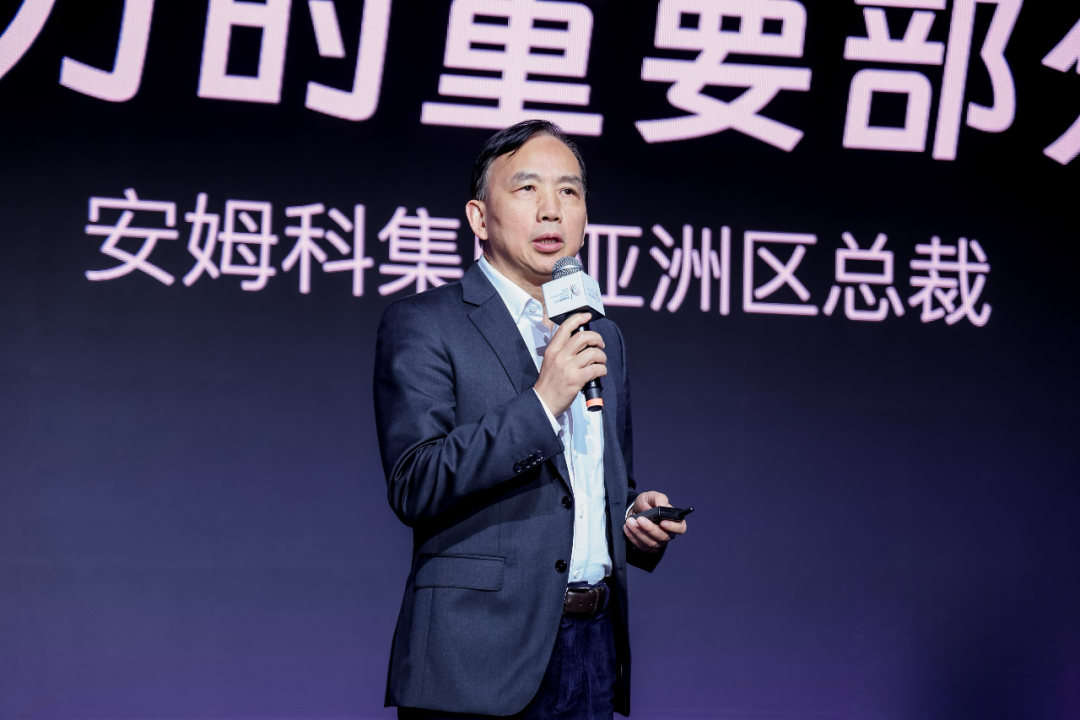
She Xin, President of Amco Group Asia
So, what kind of packaging truly possesses packaging power? Specifically at key stages like "attracting new customers" and "repeat purchases," how does packaging power empower retailers? With the widespread adoption of high technologies like AI and robotics, what changes will packaging bring in the future? She Xin had face-to-face discussions with the snack generation on these topics.
"Able to pick up, able to afford, able to let go"
"I believe packaging strength should have three A's: Attractive, Affordable, Accountable. In Chinese, I translate it as 'can afford,' 'affordable,' and 'puts down.'" She Xin explained that "picking up" means good packaging serves as consumers' first impression of the product, able to "convinc" consumers to make a purchase choice within 7 or 15 seconds. This means packaging must first deliver strong emotional value.
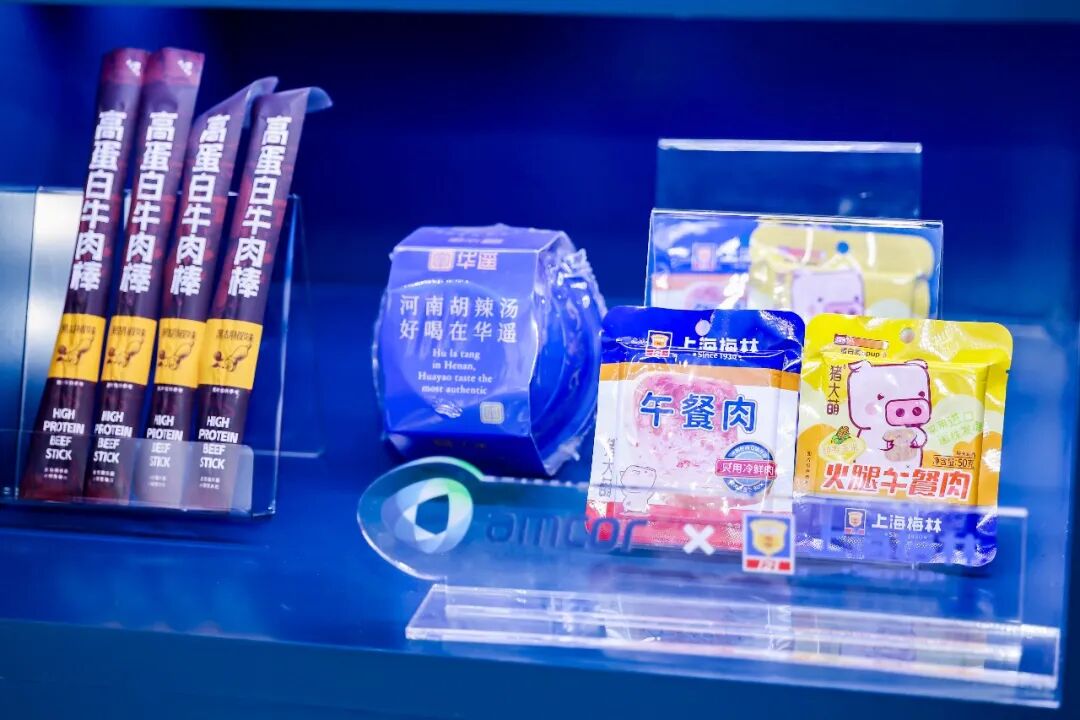
He gave an example, saying that in the West there's a theory called the 'lipstick effect.' When we apply it to the Chinese consumer market, we can see a similar 'snack effect' in the fast-moving consumer goods in the food industry: a few years ago, stores specializing in snacks became especially popular, particularly in third- and fourth-tier cities. Consumers could spend 50 yuan in the store to buy a big basket of various brightly colored, novel snacks. In the context of pressured consumer confidence, this was a good way to satisfy emotional needs, and packaging played a role in this process too.
Good packaging, besides being attractive, also needs to be 'affordable' for both businesses and consumers. This means that with cost-effective and safe packaging, products can have a long enough shelf life, be transported to distant markets, and minimize loss within their shelf life. Moreover, the packaging must be able to be supplied consistently to businesses, avoiding fluctuations for any reason.
"Packaging definitely has a cost, but good packaging should be seen as a 'cost reducer.' The value it creates should exceed its own cost," She Xin said. From production, logistics, sales, to the experience side, packaging can create greater value. Take consumer experience, for example: Amcor innovatively designed a sunflower seed package that opens in the middle, one side for the seeds, the other for the shells. The hygienic and convenient experience greatly increased consumers' favorability toward the product.
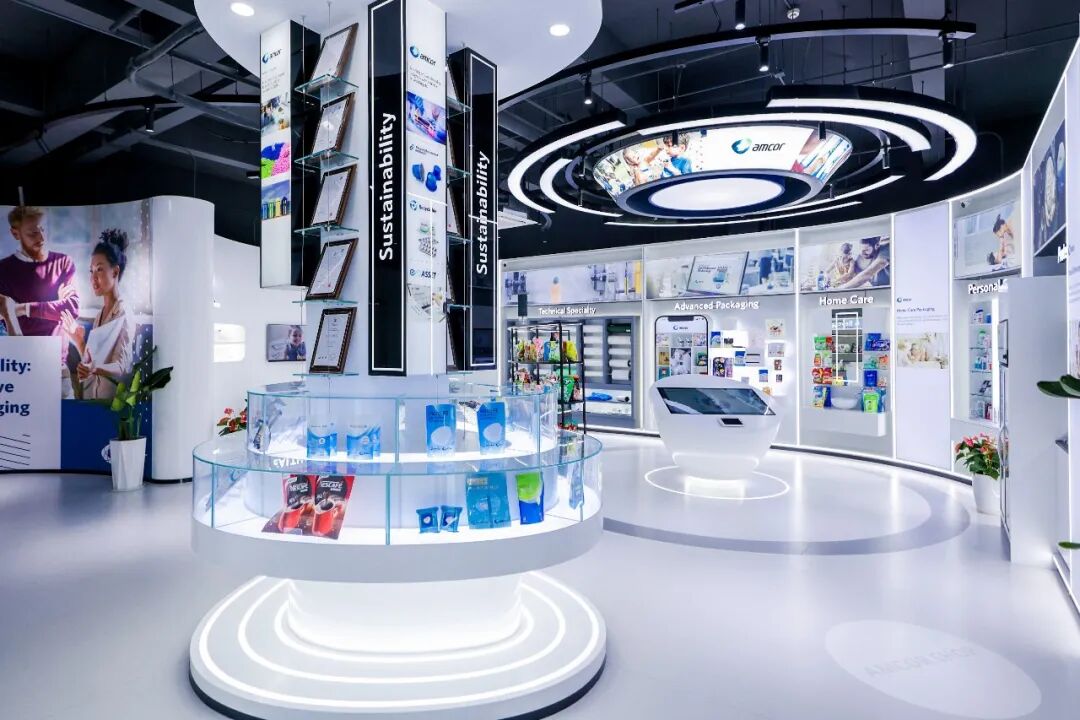
The so-called 'being able to let go' means making both merchants and consumers feel at ease. She Xin said that good packaging not only ensures product quality and safety but also helps with brand promotion, accurately conveying product information and brand positioning. More importantly, it makes consumers feel comfortable using it. For example, tin cans used in the past were difficult and unsafe for women to use, but now they have been replaced with safer sachets.
Lastly, many products leave behind a significant amount of packaging after their 'lifecycle' ends. If this packaging is not recyclable, it can be a huge burden on the environment. Therefore, packaging that can be 'let go' must also be environmentally responsible, considering recycling and reuse from the design stage.
Purchase Decision 'Accelerator'
In recent years, product competitiveness has become a hot topic in the consumer goods and retail industries. Drawing on over 20 years of experience in the packaging sector, She Xin believes that packaging strength is a 'hidden' product advantage - it adds value to any product and plays a key role in the two crucial stages of 'attracting new customers' and 'encouraging repeat purchases.'
'To make consumers like a product at first sight, the key is that it also has to be affordable; this basically ensures successful 'new customer acquisition,'' She Xin told Xiao Shidai. For example, a yogurt product sold through Hema was jointly developed by AMCOR and its client. During the collaborative development process, the first thing they decided was the price. The product was initially designed for children in third- and fourth-tier cities. After extensive market research, they found that a retail price of around 1-2 yuan was the most attractive. From there, they determined the product's size and innovative 'cat stick' packaging that can be sucked, breaking the conventional image of boxed or bagged yogurt, adding a playful and fresh experience, making this yogurt stand out among its competitors.
In the more sustainability-focused 'repeat purchase' stage, 'being able to let go' is a decisive factor for good packaging.
'Products with reliable quality, trustworthy brands, and zero environmental impact after use naturally encourage consumers to keep buying,' She Xin added. She gave another example: AMCOR once designed an extremely easy-to-tear PE strip package for a pharmaceutical client, replacing the traditional glass bottle. It was not only lighter but also safer. However, after implementation, they discovered a new 'pain point': some consumers felt that drinking directly from the package after tearing it open could risk external contamination.
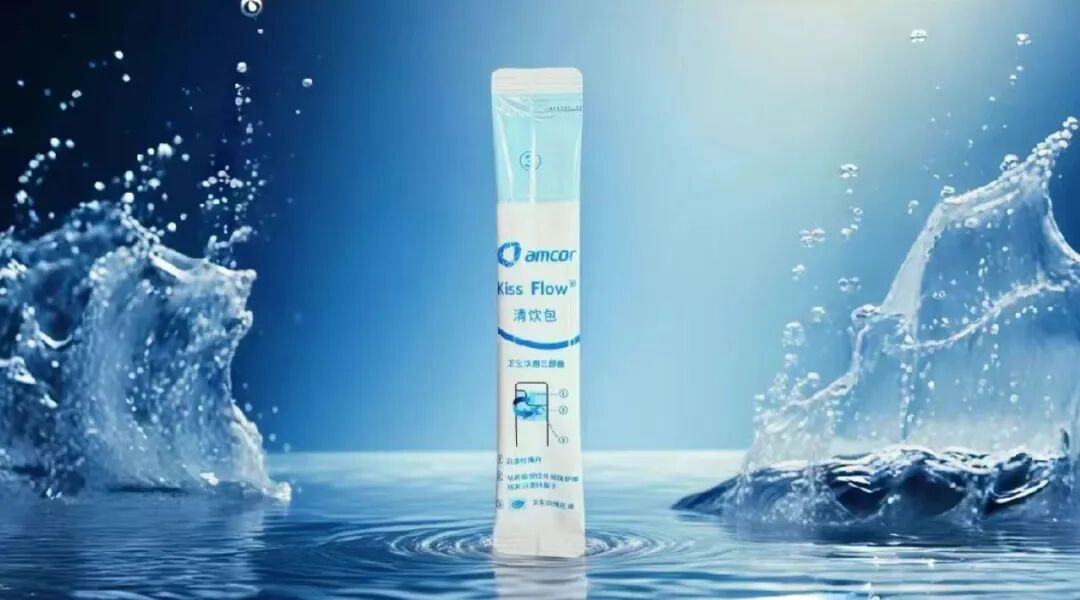
To address this, Amco upgraded the packaging to a 'Clean Drink Pack' by adding a layer of sterile film inside. After tearing open the outer packaging, consumers can peel off the inner film to drink safely. It's just a small packaging innovation, but it makes consumers feel much more confident when using it.
In fact, when designing packaging, Amco also has to consider that the same product may be sold through different channels and used in different scenarios. 'We first ask our clients: What's the specific use case? Who will handle the delivery? How will consumers ultimately use it? And we also need to measure the product's shelf life very precisely.'
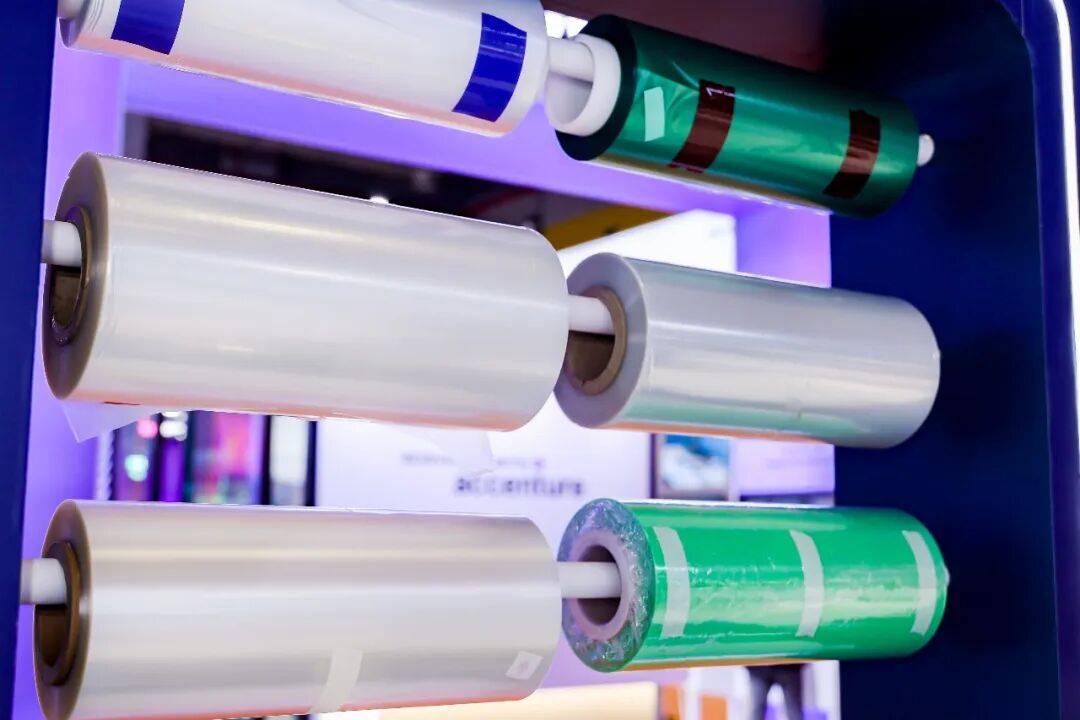
She Xin told Xiao Shidai that Amcor developed a custom ultra-thin stretch film for Walmart China, reducing plastic usage by 40% compared to the previous version. Thanks to advanced product technology and manufacturing processes, the physical performance and usability weren't affected. It not only helps Walmart with "green innovation" but also effectively controls operating costs, significantly lowering the packaging's full lifecycle carbon footprint, supporting low-carbon sustainable development.
But in a different scenario, packaging needs are completely different. Take the early collaboration between Amcor and Yanjin Shop, for example. At that time, the brand had new requirements for packaging aimed at bulk snack channels: the product's turnover period was only 7 days, packaging needed to be eye-catching, sized so you could grab a handful at once, and priced to match the standard of "50 yuan for a basket of snacks," and so on. Later, Amcor designed packaging for their quail egg products in a cute animal cartoon shape, with one side transparent so consumers could see the product at a glance.
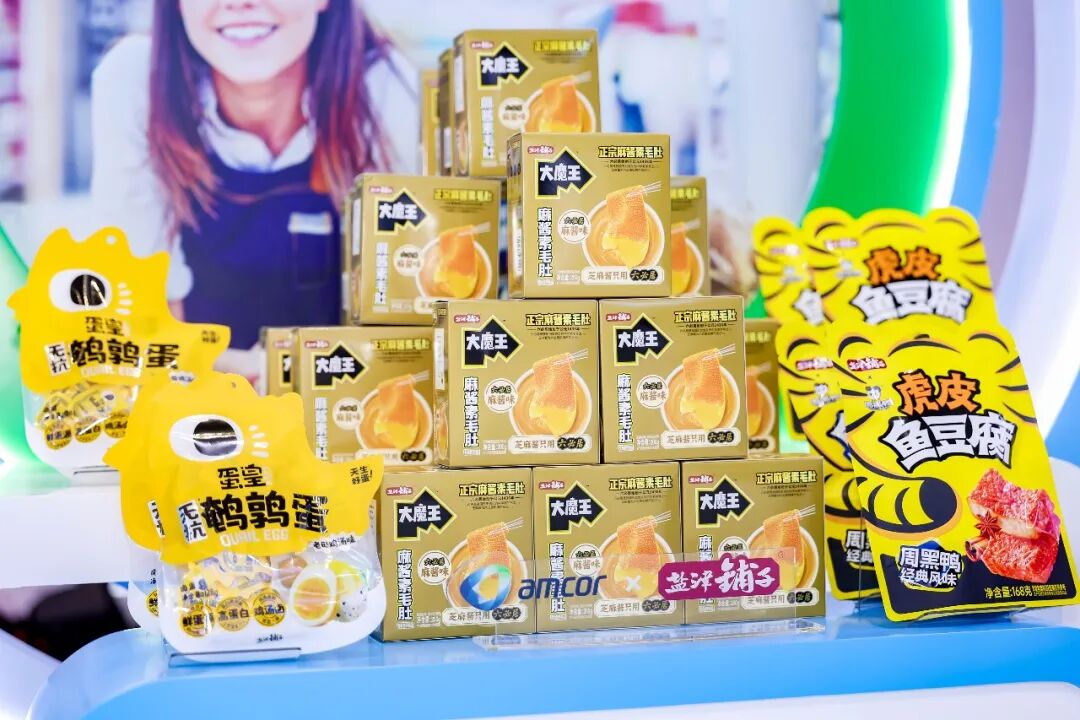
"There's a trend in the snack industry right now to 'snack-ify' foods that would normally be on the dining table, like duck necks, fish, and even pigeons, which brings big challenges for packaging development. For example, packaging needs to be puncture-resistant while also maintaining the food's flavor," he said.
"The Global Hub of Packaging Innovation"
It's worth noting that Amcor's experience co-creating with Chinese clients has become a core competitive advantage for 'reverse exporting' to Asia and even global markets. She Xin told Xiaoshidai that Amcor now sees the Chinese market as 'the global hub of packaging innovation,' which can be seen in two ways.
First, China is not only one of the largest consumer markets in the world, but also one of the fastest-changing markets. Many innovative consumer products first launch in China, which means a lot of new packaging solutions also come from China. Second, because China is the world's largest single market, any new (packaging) product launched here can quickly scale up, making it the most cost-effective for the company from an innovation perspective.
"We found that many Southeast Asian companies, when developing products, first come to China to browse supermarkets. When our headquarters' executives come to China, we also take them to supermarkets, and after seeing it, they feel their 'eyes are opened,'" She Xin said. To better serve local clients, Amcor's Asia-Pacific R&D center was set up in China. Internally, there's also a project team called Catalyst that communicates with different clients to provide packaging solutions.
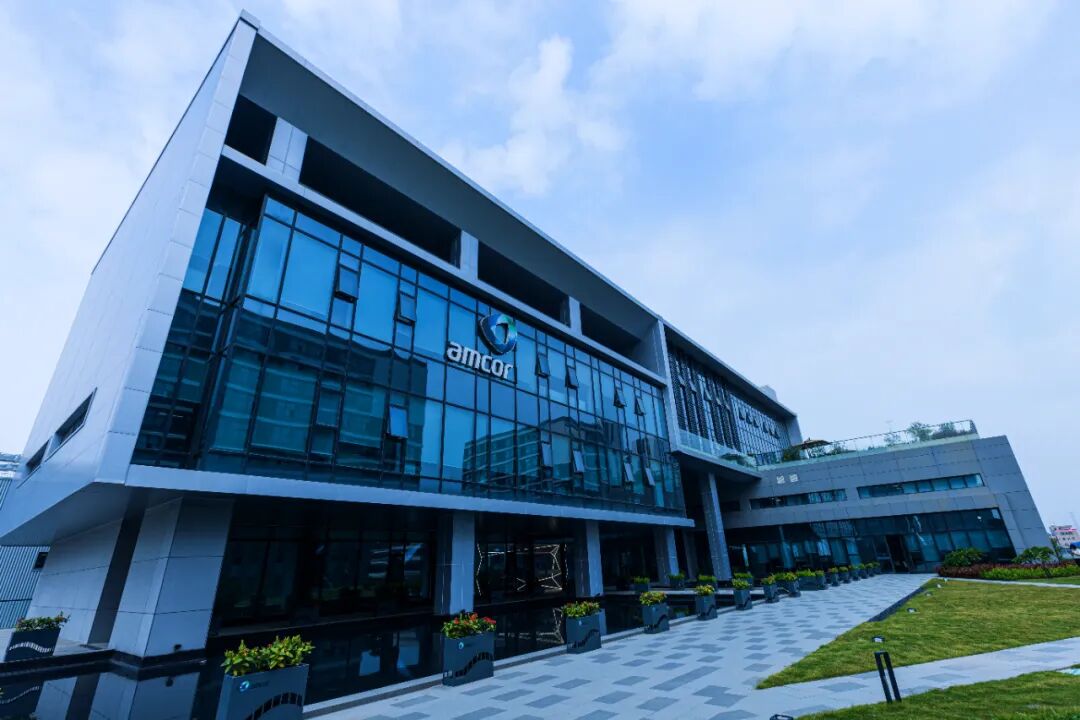
Based on its long-term confidence in the Chinese market, Amcor has set up its Asia-Pacific R&D headquarters and new materials packaging production base in Jiangyin, Wuxi this year. Going forward, the Asia-Pacific headquarters for the new materials packaging division, the Greater China headquarters for the healthcare packaging division, as well as production bases for food, daily chemical, and healthcare packaging, will be gradually established, creating a core Asian platform that integrates headquarters, R&D, and manufacturing.
After achieving double-digit growth for eight consecutive years, this October, Amcor upgraded its Greater China region to the Asia region, reporting directly to the global headquarters.
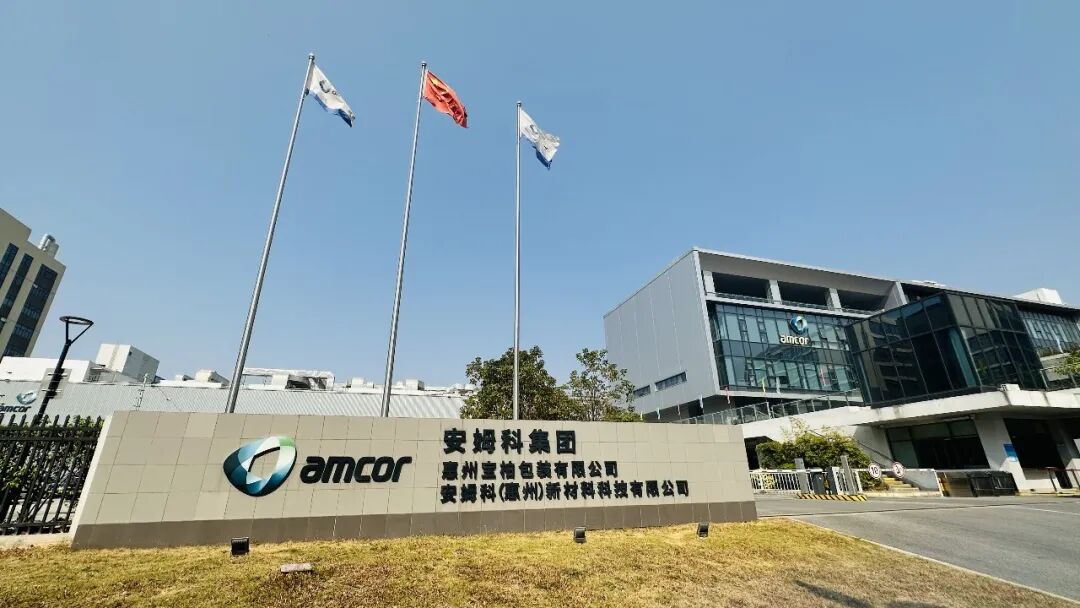
She Xin also revealed to Snack Times that with the popularity and widespread use of AI technology, Amcor is researching the 'next generation of packaging.'
'This isn't just a simple iteration. In the future, human purchasing behaviors might all be handled by AI, which means packaging needs to be 'readable' by AI and conform to its behavior patterns,' said She Xin. AI might not care about aesthetics, but it has high data requirements, so packaging must accurately present product-related data. People are willing to buy more eco-friendly products, but currently, carbon footprints can't be identified from product packaging. In the future, as long as a purchase command is input, AI can select products that meet the requirements. It's reported that Amcor has already developed a tool called Asset using global databases to calculate packaging carbon footprints, which can clearly show the packaging carbon footprint for each product in the future.
With the wide adoption of robots, packaging design also needs to cater to robots. He used a bubble tea shop as an example. 'China's bubble tea industry is booming, and some stores are already using robotic arms to shake the tea. In the future, it's likely that robots will be the ones opening all kinds of packaging in stores. Humans usually tear open packaging boxes, but robots might open them directly by heating to dissolve polyethylene (a heat-sealed packaging material),' She Xin revealed. Currently, Amcor is conducting basic research to design packaging that's easy for robots to open.
'Right now, 300 million Amcor flexible packages circulate in the Chinese market every day, and Chinese consumers are very adaptable to change. This requires us to keep up with trends and dance along with the market, which is also a very important point for us to maintain organic growth in the future,' She Xin said.
1. Data source: According to data released by the National Bureau of Statistics, the total retail sales of consumer goods for the year reached 50,120.2 billion yuan, with retail sales of goods at 44,322 billion yuan.
2. Data source: Calculated using Amcor Group's carbon footprint tool ASSET™, showing that compared with 12um and 20um stretch films, plastic usage was reduced by 40%.