


Becoming the World's Largest Digital Flexible Packaging Manufacturer in 10 Years: Which Core Manufacturing Benefits Did It Hit?
In the flexible packaging sector, which has an output value as high as $50 billion and is highly mature, long plate-making cycles, high minimum order thresholds, and huge inventory backlogs have long been an unbridgeable gap between printing companies and emerging consumer brands.
However, a flexible packaging company founded just ten years ago managed to tear a hole through this gap with a completely different business logic. With global capital betting on it and large-scale digital production capacity continuing to ramp up, the decentralized digital manufacturing model it represents is giving the entire packaging and printing industry a disruptive wake-up call.
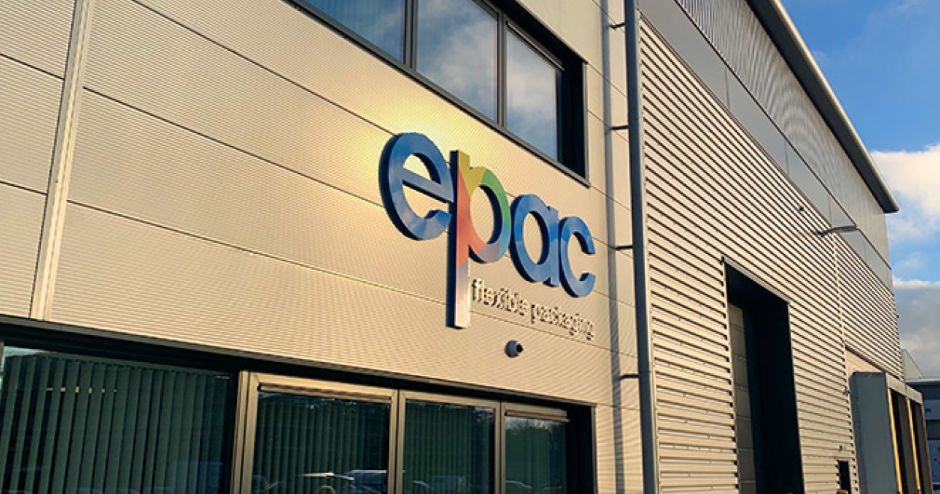
Capital Bets and Countertrend Expansion in the Trillion-Dollar Track
Against the backdrop of squeezed profits for most traditional packaging manufacturers, North American soft packaging innovator ePac has entered a pivotal expansion period. Earlier this year, Butterfly Equity, a well-known private equity firm focused on the consumer goods ecosystem, completed a full acquisition of ePac. This marks the firm's first cross-industry investment in the packaging sector.
As a soft packaging company that grows alongside small and mid-sized consumer brands, this acquisition is more than just a financial injection; it's the result of nearly a year of careful consideration by ePac's management. The new investor's key strength lies in its deeply cultivated portfolio in the small and mid-sized FMCG space, which naturally aligns with packaging manufacturing.
With the capital move comes an aggressive capacity expansion plan. ePac immediately signed a 3-year strategic procurement agreement with HP worth up to $50 million, planning to add more than ten industrial-grade digital printers to its existing infrastructure.
Headquartered in San Diego, the company already operates nearly 20 sites across North America and overseas. Currently, it is simultaneously expanding production capacity in Atlanta, Philadelphia, and Vancouver, Canada, while building its largest and most modern flagship plant yet in Phoenix.
For a team aiming for double-digit annual growth, this scale of investment is designed to secure an absolute advantage amid fierce industry reshuffling.
Lowering Minimum Orders and Using Short Lead Times to Capture New Consumer Opportunities
Looking back at the history of soft packaging over the past 30 to 40 years, the industry has always been capital- and resource-intensive. A decade ago, most startup consumer brands couldn't even qualify for custom printing and had to settle for generic white bags with hand-applied labels.
Spotting this overlooked gap, co-founder and CEO Viraj Patel established a clear strategy from the start: not competing for large traditional orders with FMCG giants that have massive R&D teams, but focusing on serving small and mid-sized consumer clients who need flexible and responsive solutions.
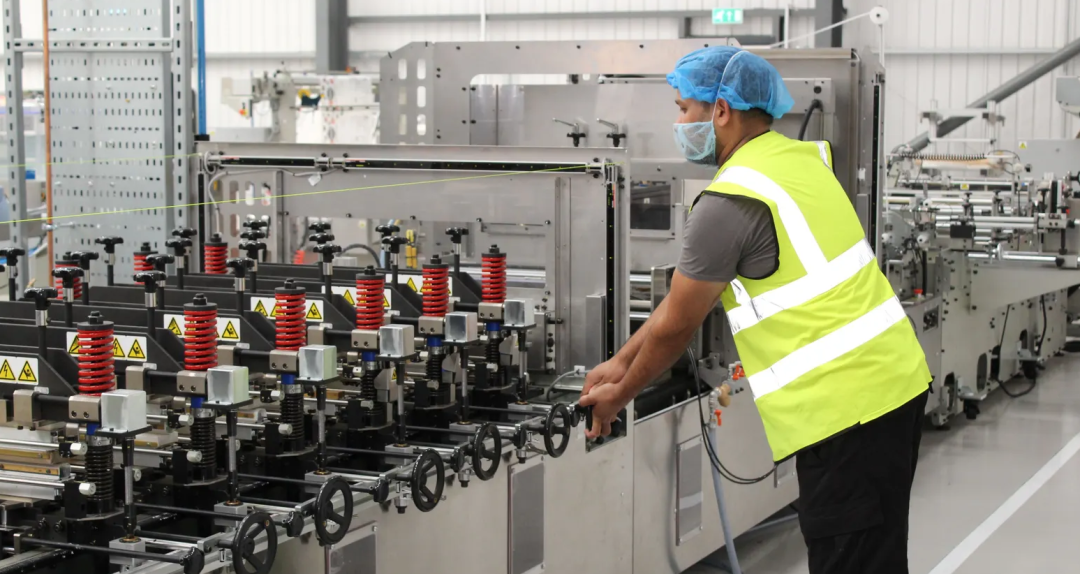
These startup brands put almost all their energy into refining their products, often feeling lost when faced with the complexities of packaging materials and plastic formulas. To address this pain point, companies have built strong digital front-end and post-press systems, completely cutting out the expensive setup fees and minimum order limits of traditional printing, and drastically reducing typical delivery cycles to under 15 days.
For brands that are extremely wary of inventory buildup and prefer on-demand restocking, this flexible supply is incredibly appealing. Even more importantly, even if a client starts with just 5,000 bags and quickly spikes to tens of thousands, a mature digital production system can seamlessly handle the scale without adding extra management overhead.
Localized Manufacturing: Using Distributed Factories to Navigate Supply Chain Turmoil
Relying solely on digital printers isn't enough to create a deep moat. The core support for a model that can scale quickly lies in deeply linking digital equipment with a distributed manufacturing network. In today's world of rising global trade barriers, increasing North American tariff disputes, and growing uncertainty in cross-border logistics, many multinational brands that rely on sourcing packaging or outsourcing production internationally are struggling with supply chain disruptions.
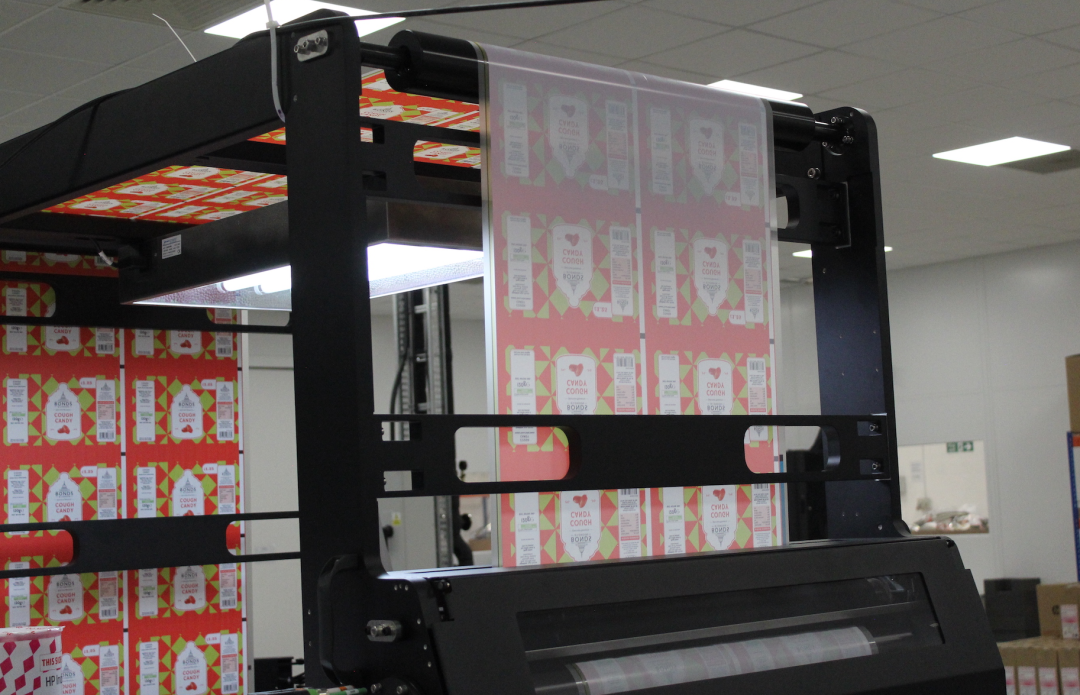
Facing the turbulence of the external environment, its nearly 20 branches across the U.S. and Canada have actually shown strong risk-resistance capabilities. This localized network of nearby production and delivery perfectly aligns with the current nearshore outsourcing trends widely favored in manufacturing.
Customers can flexibly switch between local supply nodes based on actual sales in the two markets, effectively avoiding cost shifts caused by cross-border tariff fluctuations, while also significantly reducing freight carbon emissions by shortening physical transportation distances, calmly meeting increasingly strict environmental compliance reviews like extended producer responsibility.
Tech Restructuring and the Next Stage of the Industry Amid Environmental Storms
Although the business model has proven its market viability, in the ever-changing packaging market, customer expectations for product quality and experience are always rising. From complex prepress color calibration collaboration to increasingly strict green environmental standards, companies are constantly tested on their responsiveness.
In terms of environmental regulation, when perfluoroalkyl and polyfluoroalkyl substances (PFAS) shook the industry, the company decisively completed a full iteration and switch of the entire upstream ink system and main packaging suppliers within just six months. Facing the wave of lightweight substrates and paper replacing plastics, the tech team similarly relies on massive order data feedback to prioritize the introduction of compliant materials on the product side.
At the brand-new flagship site being built in Phoenix, the future technology layout is already taking shape. With the surge in demand for high-end bag types like flat-bottom bags downstream, large bag-making production lines three times the size of traditional equipment, along with value-added technologies like localized surface decoration developed for digital printing, are being fully implemented in the new factory.
整个软包装行业的技术周期每隔两三年就会迎来一次显著跃迁,而只有那些敢于持续迭代生产环境,将流程数据化并不断贴近客户终端的参与者,才能在这场看似传统实则风起云涌的制造业变革中稳立潮头.