


How to detect 'fake adhesive-aluminum' on cigarette packs
As is well known, standards are a summary of science, technology, and practical experience, formulated to establish common and reusable rules for actual or potential problems in order to achieve optimal order within a certain scope. Changde Jinpeng Printing Co., Ltd. (hereinafter referred to as "Jinpeng Company"), as a national pilot and promotion base for the standardization of roll paper packaging printing, has been committed to researching and formulating national and industry standards in the field of packaging printing. Especially when addressing common problems across different fields, the company excels at using standards to solve these issues, thereby achieving very good results. In this article, the author takes the 2022 incident of irregular aluminum peeling and white spots on the surface of Jinpeng Company's packaging prints as a background, briefly analyzing the research process on the causes of aluminum layer shedding and detection methods.
Quality Issues and Cause Analysis
Aluminum peeling and white spots on the surface of printed products is a quality issue that occurs after die-cut processing. It often appears near the crease or fold positions of printed products and is mainly manifested as local detachment of the aluminum layer. Due to its irregular and hidden occurrence, it is not easy to observe directly and needs to be identified through manual sampling detection methods (adhesive tape peeling), as shown in Figure 1.
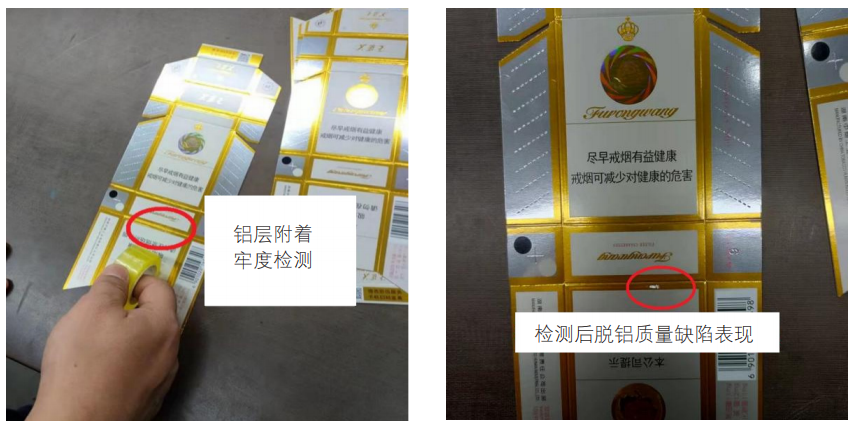
Figure 1 Aluminum Delamination Quality Defect Detection and Manifestation
After research and analysis by representatives from Jinpeng Company and paper enterprise experts, it was preliminarily concluded that the main reason for this defect is the occurrence of 'false adhesion aluminum delamination' in the paper lamination process. However, regarding the preventive measures for 'false adhesion aluminum delamination,' both companies follow the same inspection standards. So why do products that pass inspection by the paper manufacturer fail when tested by the printing enterprise?
In order to promptly identify the cause, resolve differences between the two units, and maintain long-term cooperation, the Jinpeng project team conducted a comparative analysis of the 'aluminum layer bonding strength testing standards' carried out by multiple printing enterprises. The results showed that the principles of aluminum layer bonding strength testing in Jinpeng Company and peer enterprises are basically consistent with the national standard (GB/T 18733 Security Holographic Paper), but there are certain differences in the selection of transparent tape type, peeling speed, and peeling angle, as shown in Table 1.
Table 1 Comparison of Standards
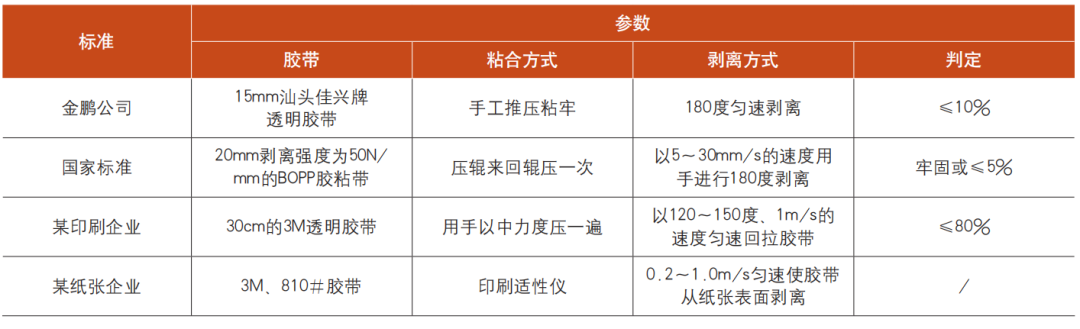
Through further investigation, it was found that because there are no standard tapes available on the market, different companies can only select tapes based on their own experience. Even with 3M tapes, there are many models such as 500#, 600#, 610#, 810#, etc., but their adhesion strength does not meet the national standard requirements. At the same time, the manual testing method stipulated by the standard cannot achieve the constant force and peel angle required. Therefore, the project team immediately carried out research on dedicated tapes and the optimal "peel speed" and "peel angle" parameters, laying the groundwork for establishing a unified and reproducible method for testing the adhesion strength of paper-aluminum layers.
Development of Standard Tape
The development of standard tape, aimed at forming guidelines and references commonly followed by the industry, received support and approval for project initiation from the Standardization Association. After researching the project, it was finally decided that several domestic laboratories with CNAS certification and companies with strong technical capabilities and application experience would jointly take the lead in formulation, while Jinpeng Company would be responsible for testing the adhesion strength of the tape samples.
The development of this standard tape referred to more than 40 national and industry standards in the packaging and printing industry. The final selection was based on the tape requirements for testing ink layer adhesion in GB/T 7707 "Gravure Decorated Printing Products," with the specifications as follows: width 19mm, adhesion strength (2.91–3.33) N/19mm. At the same time, referring to GB/T 2792 "Test Method for Peeling Strength of Adhesive Tapes," the 180° peel test on stainless steel was used as the method for determining the fixed value, stability, and uniformity of candidate standard tapes, as shown in Figure 2.
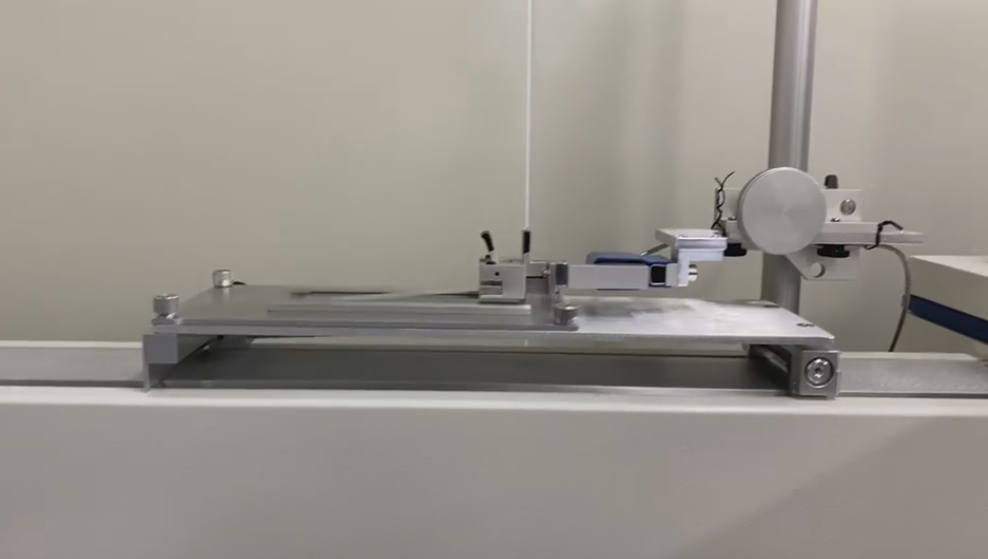
Figure 2 Tape Test
Twenty rolls of tape samples were selected, and tests were conducted at the positions of 0 meters, 1 meter, 2 meters, 5 meters, 10 meters, 20 meters, 40 meters, and 50 meters for each roll. The peel strength was basically stable within the standard range.
Study on the Optimal Parameters of "Peel Speed" and "Peel Angle"
With the standard tape, a constant peel force is achieved. Next, the company's project team continued to use the peeling device to study the effects of "peel speed" and "peel angle" on the test results of aluminum layer adhesion.
01
Selection of Test Samples
To make a visual comparison of the testing effects, the project team selected two types of test samples. One type is the original paper with slight aluminum detachment that cannot be recognized by the naked eye, as shown in Figure 3; the other type is the printed products discovered during production with slight aluminum detachment, as shown in Figure 4.
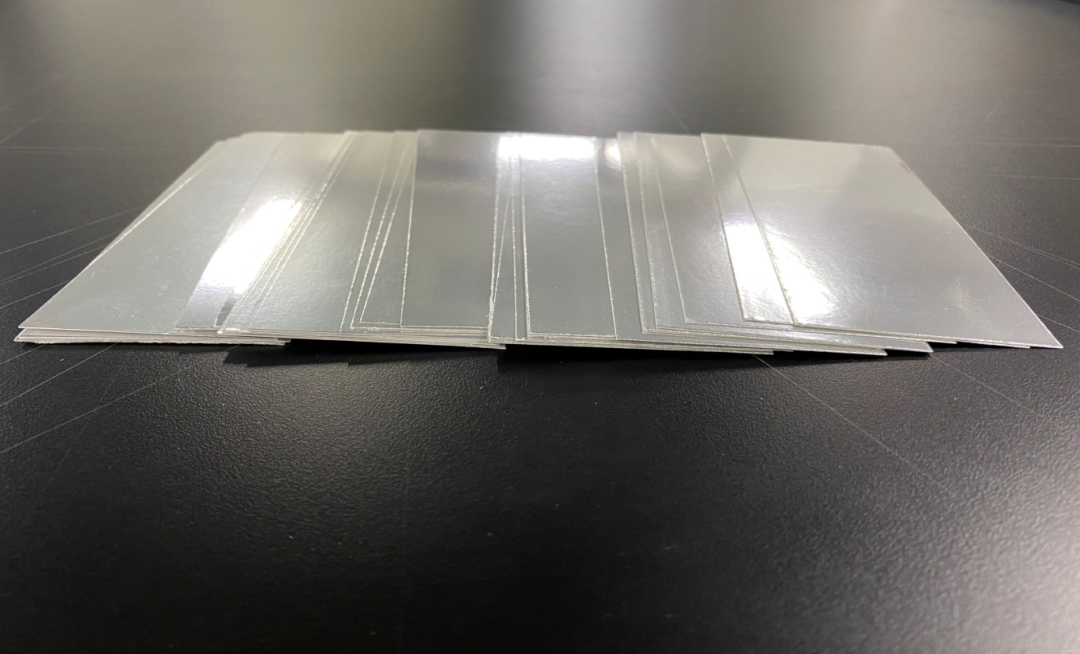
Figure 3 Base paper with slight delamination
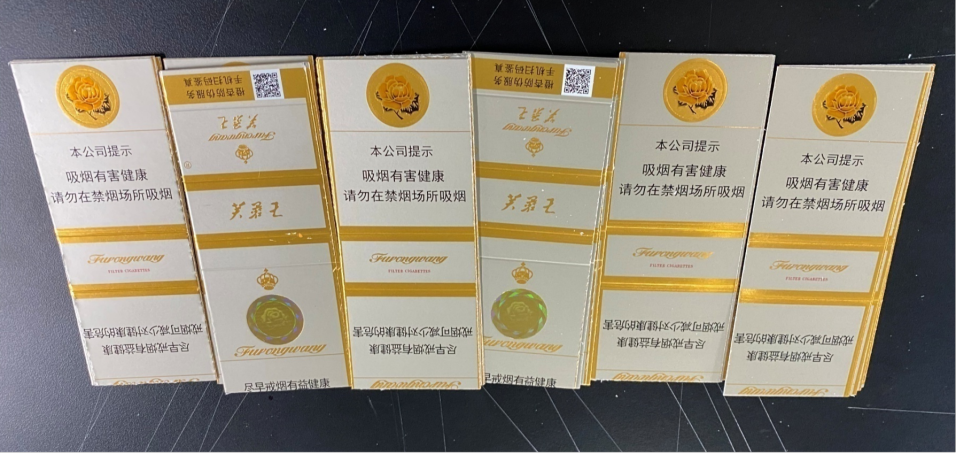
Figure 4 Slight Delamination of Printed Products
02
Formulating the Peeling Plan
According to inspection data, different "peeling speeds" and "peeling angles" can cause varying degrees of damage to the paper aluminum layer. Therefore, the project team first set up three test plans at a peeling angle of 90° with peeling speeds of 127 mm/s, 60 mm/s, and 10 mm/s. Then, based on the test results of these three plans, two additional plans were added: a peeling angle of 135° with a speed of 10 mm/s, and a peeling angle of 180° with a speed of 10 mm/s. The test results are shown in Table 2.
Table 2 Test Result Records
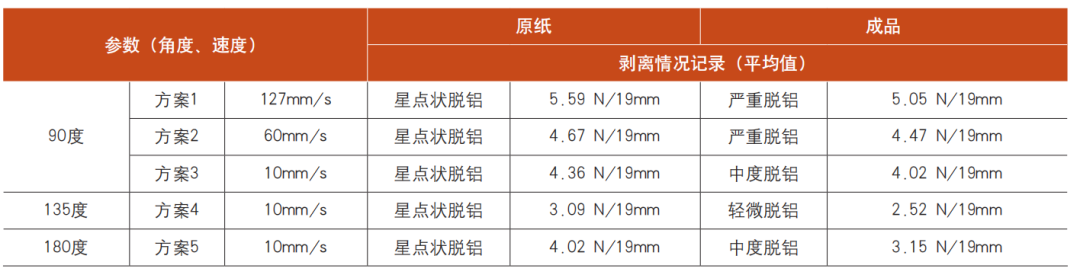
From the above table, it can be seen that the greater the peeling speed, the greater the peeling force, and even the minimum peeling speed of 10mm/s can test samples with aluminum delamination defects; on the other hand, in terms of peeling angle, the peeling force at a 90° peeling angle is relatively high, at 135° it is relatively low, and at 180° it is relatively moderate. Figure 5 shows the peeling test results of the base paper samples, and Figure 6 shows the peeling test results of the printed samples.
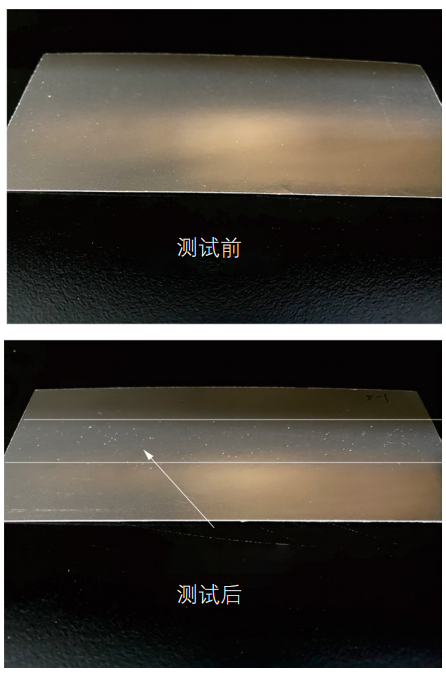
Figure 5 Effect of peeling test on base paper samples
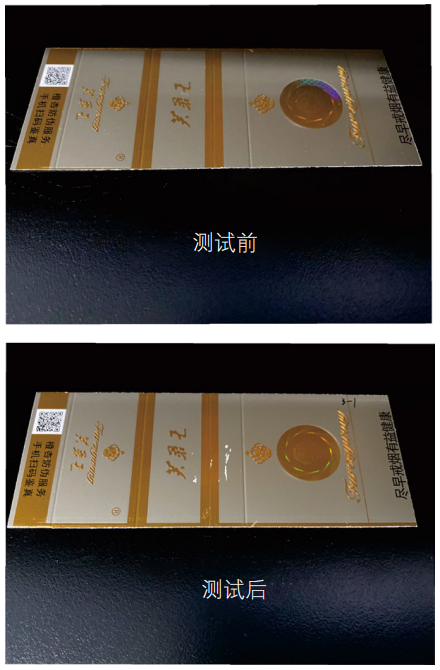
Figure 6 Peeling Test Results of Printed Samples
Based on the above peeling results, the project team believes that it is necessary to consider a method that can detect products with quality defects while avoiding over-setting parameters that would damage products with proper aluminum layer adhesion, causing "false positives." Ultimately, the project team determined a 180° peeling angle and a test speed of 600 mm/s as the main scheme for standard formulation and conducted batch sample verification to ensure the stability of the test method.
03
Formulation of Aluminum Layer Adhesion Testing Method for Paper
After repeated operation and refinement of the test scheme by the project team, the following draft standard was finalized.
(1) Tools: Lab Master Peeling Tester, 19 mm special adhesive tape (peeling force 2.91–3.33 N/19 mm).
(2) Measurement Steps:
a: Cut a sample from a paper sheet (or printed product) that matches the stainless steel plate size of 50 mm × 125 mm to use as the test sample.
b: Place the test sample on the surface of the stainless steel plate on a horizontal work table.
c: Use the special adhesive tape to stick at the center of the test sample surface, leaving about 120 mm of tape as the pulling portion.
d: Manually use a cylindrical rubber roller to roll back and forth five times to press the tape firmly, ensuring no air exists between the tape and the test sample.
e: Fold one end of the tape about 12 mm to form a folded layer and place this fold into the tester fixture. Stick the other end of the tape to one end of the steel plate.
f: First, insert the test sample into the fixture slot of the tester platform, then mount the fixture onto the tester sensor.
g: In the instrument operation system, select the scheme with a 180° peeling angle and a test speed of 600 mm/s, and start the test.
Once this trial standard was published on the intranet, it received active responses and positive feedback from several paper manufacturers. With the promotion and popularization of the standard, Jinpeng Company plans to submit this research result to a standardization organization for industry standard development. At that time, more peers in the packaging and printing industry will benefit, thereby promoting the advancement of the industry's technical level.