


How to Avoid the Four Common Problems in Book Printing?
In recent years, the implementation of the quality-strengthening strategy has led publishing houses and printing enterprises to become increasingly aware of quality and more focused on book printing quality. In addition to the annual "3·15" inspection and quality control activities for printing and copying, some publishing houses choose to assess the printing quality of their books by conducting self-inspections. In the routine sample inspections carried out by the Book Quality Evaluation and Appraisal Working Group of the Beijing Printing Association, most samples meet the required testing standards, but a small number of samples exhibit quality issues in printing, binding, and surface finishing processes. This article aims to analyze several frequently occurring book printing quality problems and propose corresponding improvement methods.
Effective Text and Images Being Cut Off
Some books, in order to enhance interactivity and reading experience, design text and images outside the main text area, such as QR codes or book header text. However, if these elements are incorrectly cut, it can result in information loss or layout imbalance, affecting the overall appearance of the book. When the design is too close to the cut line (Figure 1), the cutting positioning is inaccurate, or there are large fold deviations (Figure 2), these circumstances can all lead to effective text and images being cut off.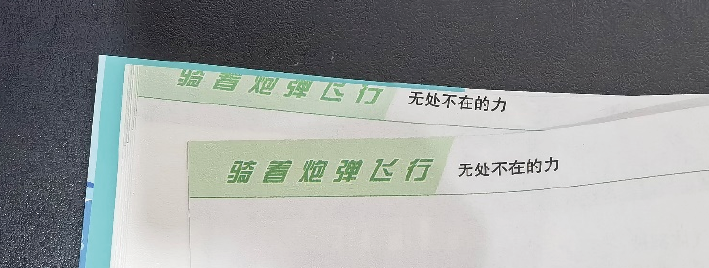
The upper part above the header text in Figure 1 is cropped
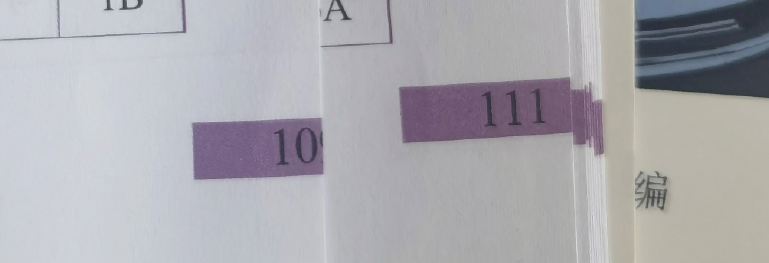
Figure 2 Page numbers cut off
To avoid cutting off important images and text, it is necessary to fully consider the position and size of images and text during the design stage, ensuring that QR codes, header text, page numbers, and other elements are not too close to the cutting edges and leaving sufficient margins to ensure that the content is fully presented. CY/T 200-2019 "General Design Specifications for Book and Periodical Printing" explicitly requires that "page numbers should not be placed on the binding side, and the distance from text near the cut edge should not be less than 3mm" and "the bleed size should not be less than 3mm." Secondly, printing companies should regularly calibrate positioning devices and strictly control the accuracy and quality of cutting. Finally, properly adjust the folding devices and implement folding processing requirements to ensure that folding errors are within a reasonable range.
Wrinkles
Wrinkle issues mostly appear on the spine of glued books, the pasted areas of the first and last pages, and the overall book. Uneven spine wrinkles are mainly caused by improper adjustment of the lower platform when pasting the cover to the inner pages, excessive pressure during cutting, or using spine glue with high moisture content. Wrinkles at the pasted areas of the first and last pages occur because the air between these pages and the rest of the book was not completely expelled, and pressing the cover and inner pages with the book board caused compression. Uneven wrinkles throughout the book are mostly due to the paper grain direction being inconsistent with the printing direction or large differences in temperature and humidity before and after binding, causing the paper to absorb water and swell (Figure 3).
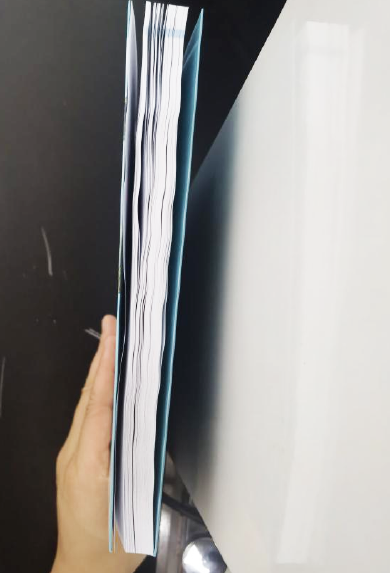
Figure 3 Overall Wrinkling of the Booklet
Controlling wrinkling issues requires printing companies to select adhesives that match the type and weight of the paper; correctly identify the paper grain direction during production; properly adjust the stacker height and the cutting press pressure; and, before binding, bundle and press the folded booklets to remove air between the pages, placing them in an environment with suitable temperature and humidity, thereby preventing such problems.
Foiling Smudges and Missed Foil Areas
Foiling not only enhances the grade and texture of a book but also increases its artistic and aesthetic appeal. However, the finished product often differs from the design, resulting in issues such as smudges and missed foil areas, which affect the overall quality of the book. These problems are closely related to the foiling temperature, pressure, materials used, and the compatibility of the foiling process. For example, if the foil plate temperature is too high or the pressure is too strong, the text and images may become blurred; if the temperature is too low or the pressure too weak, ghosting, missed foil areas, or peeling of foil powder may occur; if the foiled area is large with insufficient pressure, or if there are too many foiled pieces but the foil plate material is too soft, the edges of the patterns may not foil properly, leaving margins at the corners. For instance, a certain hardcover book uses linen fabric for the cover, and the foiled text design is small with fine strokes, resulting in unclear foiling and broken lines on the cover text, which affects readability (Figure 4).
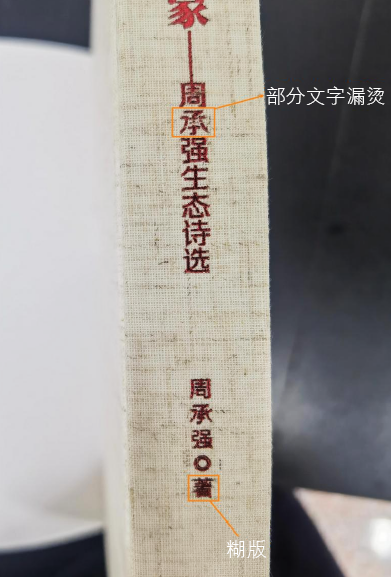
Figure 4: Missed ironing and plate pasting
Publishing units should evaluate the compatibility between materials and processes during design to determine an appropriate solution. Printing companies should adjust the temperature of the hot stamping plate according to the material and material being soldered, and select the appropriate stamping pressure to achieve the best binding effect.
The spout size of the hardcover book exceeds the standard
The spout refers to the part of the hardcover book case that extends beyond the cut edge of the book core, usually used to protect the book body. Ideally, the dimensions of the three-sided sprue should be consistent to ensure the book's appearance is neat and attractive. Excessive sprue size in hardcover books mostly manifests as inconsistent sprue sizes, involving multiple aspects such as process control, material selection, and equipment precision during book production. Inaccurate matching of cover material specifications with book core opening dimensions, excessive cutting size errors, and shell assembly processes not meeting standard requirements can all be causes of excessive sprue size.
When cutting book covers, the size must be strictly controlled according to the book core opening size, actual thickness, and shape, and cutting dimensional errors must be strictly controlled. If the error exceeds the standard, the material cannot be reused. During the book case assembly, use standard frames to ensure consistency in spout dimensions.
These types of issues are increasingly common in daily inspection quality issues, seriously affecting the use, aesthetics, and interactivity of books, and require attention from publishers and printing companies. Each publishing unit should establish and improve a publication printing quality management system, comprehensively enhancing publication quality through supplier evaluation, daily monitoring of print quality, regular sample testing, in-depth study of national and industry standards, and participation in the formulation of forward-looking enterprise or group standards. While ensuring that the quality of single-volume products meets standard requirements, we ensure stable and consistent batch quality, eliminate hidden dangers, and minimize quality risks. In addition, publishers should establish quality feedback channels to promptly collect feedback from readers and the market, make targeted improvements, and enhance the overall quality and market competitiveness of their books.