


A simple trick to improve the traditional hot stamping machine, and the stamping efficiency increased by 20%!
As we all know, hot stamping can improve the grade of paper packaging products and increase the added value of products, which is a popular post-press process. Temperature, pressure, and speed are the three core elements of hot stamping, and if they are not well controlled, they will greatly affect the quality of hot stamping. In this paper, the author mainly innovates and improves the traditional hot stamping machine from the aspect of temperature control, which improves the hot stamping suitability of paper packaging.
The heating method of traditional hot stamping machines
At present, the heating method used by the web hot stamping equipment (web circular stamping round stamping machine or web flat stamping machine) is to fix the hot stamping plate (arc version, flat hot stamping plate) on the heating honeycomb plate base for conduction heating (general temperature is 50~250 °C, adjustable), and then through the temperature and pressure of the hot stamping plate, so that the fusible thermoplastic glue in the electrochemical aluminum adheres to the printing material, so as to complete the transfer of electrochemical aluminum.
01 Defects in traditional heating methods
In the actual production process, due to the difference in temperature control performance of the equipment itself, the difference in the quality and stability of electrochemical aluminum, the change of ambient temperature, the fluctuation of the tension of the surface of the printing material (such as varnish and ink) and other characteristics, the actual hot stamping process often causes quality problems such as blooming and incompleteness caused by poor film removal of electrochemical aluminum, which affects the efficiency of hot stamping.
02 Traditional solutions and their existing problems
In view of the above problems, methods such as heating the hot stamping plate, reducing the production speed, and replacing electrochemical aluminum are generally used to solve them, but these methods have the following restrictions and cannot be completely solved.
(1) The maximum temperature of the current hot stamping equipment can only reach about 250 °C, and it is more difficult to heat it up.
(2) The overall heating method of the hot stamping version is not flexible, and it cannot independently locate and heat up a certain position, and some positions that are just suitable will have new hot stamping problems due to the increase in temperature.
(3) will increase energy consumption, which in turn will increase costs.
(4) The purpose of reducing the machine speed is to extend the hot stamping time and transfer more electrochemical aluminum, but it will significantly reduce the production efficiency.
(5) The method of replacing electrochemical aluminum has high requirements for the quality of electrochemical aluminum, and frequent replacement will lead to multiple downtimes, resulting in a large number of waste products.
Improvement plan
In view of the above problems, the author believes that the traditional heating method (only the hot stamping plate is heated) can be broken and the local controllable heating method of the hot stamping paper can be used as an innovative supplement and improvement of the traditional hot stamping scheme to solve the problem of insufficient temperature rise or uneven temperature of the hot stamping plate.
Specific plan
Make a set of online preheating devices, including 3~6 movable plug-in hot air generators, infrared temperature measurement feedback sensors, 1 set of fixed brackets, and thermostats, and preheat control the position of the paper to be stamped before the printing material (paper) enters the hot stamping roller. The schematic diagram of the hot stamping preheating device is shown in Figure 1. The structure of the paper preheating device is shown in Fig. 2.
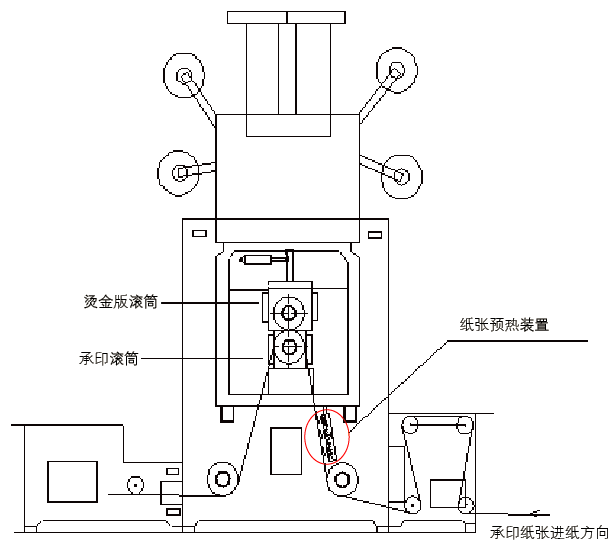
图1 纸张预热装置安装位置示意图
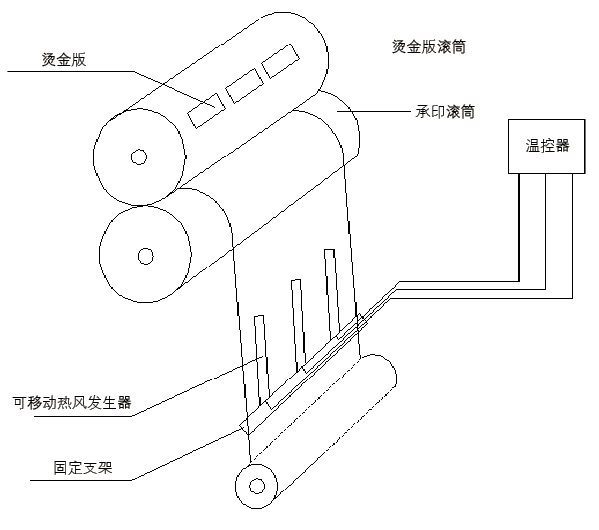
Figure 2 Structure Diagram of Paper Preheating Device
01 Purpose of Preheating
(1) To increase the surface temperature of the paper. Generally, the surface temperature of unheated paper is between 22–28°C, while preheated paper can reach a surface temperature of 50°C. This corresponds to an increase of about 0–20°C in the hot stamping plate temperature, effectively compensating for the inability to further raise the hot stamping plate temperature and for local temperature unevenness.
(2) Preheating can change the surface tension of the paper to be stamped. When the substrate is brought into the hot stamping position, the electroplated aluminum glue layer can better adhere to the paper surface, thereby reducing quality defects such as insufficient aluminum delamination, mottling, or missing parts.
02 Precautions for Paper Preheating
It is generally recommended that the preheating temperature be around 50°C or below, as excessively high temperatures can cause paper deformation. Multiple independent preheating devices can be made for flexible movement and selection. Each preheating unit can also be individually temperature-controlled according to actual conditions to reasonably adjust for uneven equipment temperatures.
Improvement Effect
After using this device on the Stora Web 820 rotary hot stamping machine, compared with the existing single hot stamping plate heating method, it overcame the temperature limitation of the hot stamping plate, changed the surface characteristics of the substrate, enhanced the adhesion of the electroplated aluminum glue layer to the paper, and reduced hot stamping mottling issues. Calculations show that it can increase machine speed by 5–10 m/min and improve efficiency by 20%.
Innovation is limitless; the above method is just a starting point. As long as product quality and efficiency can be improved, optimization and innovation can be conducted according to the actual hot stamping equipment, stamping materials, and hot stamping environment, such as pre-temperature control of electroplated aluminum. It is hoped that experts and knowledgeable professionals in the industry will conduct diverse research and publish more mature and advanced insights.